Picture this: You've finally got your dream hot tub bubbling away in the backyard. You sink in after a long day, flip the switch, and... nothing. The jets fizzle out, the water goes still, and your relaxation dreams pop like a bubble. Sound familiar? If you're a hot tub newbie, you're not alone. Those mysterious hot tub and spa pumps are the heart of the action, keeping everything circulating, heated, and fun.
That's where this ultimate beginner's guide comes in. We're diving deep into hot tub and spa pumps without the tech jargon or overwhelming details. You'll learn the basics of how they work, the different types to choose from, and simple ways to pick the right one for your setup. We'll cover easy maintenance tips to keep things running smooth, plus fixes for common headaches like weird noises or weak flow. By the end, you'll feel like a pro, ready to troubleshoot and enjoy your spa worry-free.
Stick around, grab a drink, and let's get those pumps pumping. Your perfect soak is just a few scrolls away!
What Do Hot Tub and Spa Pumps Actually Do?
Hot tub and spa pumps are like the unsung heroes of your backyard oasis, keeping everything flowing smoothly so you can just relax. They pull water from the tub, push it through the heater for even warmth, the filter to trap dirt and debris, and the jets for that invigorating massage therapy. This constant circulation also mixes in sanitizers to kill bacteria, preventing murky water or health issues. Without them, you'd have cold spots, clogged systems, and weak jets that turn your luxury soak into a disappointment. Picture this: a properly working pump processes the entire tub volume multiple times a day, ensuring crystal-clear water and therapeutic pressure from a 50/50 water-air mix at the jets. Everything you need to know about spa pumps
Most setups use 1-3 pumps per hot tub. A small circulation pump runs non-stop at low speed (like 0.2-1.5 HP), handling filtration and heating with minimal energy, just 40-150 watts. Jet pumps, beefier at 1-5 HP, activate on demand for high-flow power, either single-speed for basics or variable-speed for efficiency savings up to 50%. This combo lets you maintain water quality 24/7 without wasting power on full blasts when idle. Hot tub circulation pumps guide
The global spa and pool pump market is exploding to $705M by 2026, fueled by home spas (68% share) and energy-smart variable-speed models. Skip proper pumps, though, and your spa loses heat in a day, filters jam with gunk, jets fizzle, causing pricey repairs and family downtime. Hot tub pump basics For a live demo, swing by Hot Tub Liverpool's showroom at the back of Brunswick Business Park; see pumps powering display models Monday to Saturday.
Types of Hot Tub and Spa Pumps
When it comes to hot tub and spa pumps, there are three main types to know, especially if you're just starting out. Circulation pumps are the small guys, usually 0.2 to 1.5 HP, that run non-stop at low speeds to keep water moving through your filter and heater for clean, warm water without wasting energy. They're super quiet and efficient, perfect for 24/7 operation in your home setup. Jet or boost pumps pack more punch at 1 to 5 HP, firing up high-flow action for those powerful massage jets that make bubbling bliss happen. Then there's the exciting newcomer: variable-speed pumps, which adjust their power on the fly for both circulation and jets in one smart unit.
Popular Brands and Prices in the UK
In the UK, you'll find reliable options from brands like affordable LX pumps, Waterway, Aqua-Flo, and Balboa, with prices ranging from £100 to £350 including VAT. For circulation, check out the Balboa 0.25 HP for whisper-quiet, low-energy performance or the LX WTC50M 0.35 HP, which handles about 240-250 liters per minute efficiently. Jet pump fans love the 1-speed LX LP200 2 HP for strong single-flow massage or the 2-speed LX WP300-II 3 HP, delivering up to 730 liters per minute on high for intense hydrotherapy. These are widely available and easy to match to your tub. Explore LX pumps in detail.
Why Variable-Speed Pumps Are the Future
Variable-speed pumps are game-changers, slashing energy use by 30-50% compared to fixed-speed models by tweaking RPMs for exactly what you need, whether filtering or jetting. They're set to become standard in 2026 hot tubs, with quieter operation and app controls for smart efficiency. Pair one with your setup for big savings on bills, especially in our chilly UK weather. Learn more about pump types. Ready to pick the right one? Next, we'll cover how to choose based on your tub size. UK pump suppliers.
Circulation Pumps: Keeping Water Moving 24/7
Circulation pumps are the quiet workhorses in your hot tub, typically low horsepower from 0.2 to 1.5 HP, designed to run non-stop 24/7. They gently move water through the filter and heater for constant filtration and even heating, all without guzzling energy like bigger jet pumps. This setup keeps your water crystal clear, prevents stagnation, and saves you money on electricity, potentially cutting costs by $85 a year or more. For beginners, think of them as the steady heartbeat keeping everything balanced while you relax.
UK spas love specs like the 48-frame motor, 1.5-inch intake and discharge ports, and 230V 50Hz rating, which match our electrical systems perfectly for seamless installs. Check out detailed circulation pump guide for more on why these fit so well. The Laing E-series, like the E5 model, shines with whisper-quiet operation under 50 dB, self-priming tech, and tough build for rainy UK weather; it handles cold snaps down to -15°C without fuss.
Plan to replace yours every 3-5 years, especially in hard water areas. Listen for humming, often from air locks (bleed the lines) or bad capacitors (test with a multimeter). Hot Tub Liverpool stocks compatible parts right at their Brunswick Business Park showroom, offering quick fixes for Wirral and Cheshire folks, Monday to Saturday. Swing by for expert advice to keep your spa pumping smoothly.
Jet and Boost Pumps: Power for Your Spa Jets
Now that we've covered those steady circulation pumps, let's crank it up with jet and boost pumps - the muscle behind your spa's powerful jets for that invigorating massage. These bad boys come in 1-speed models for instant high flow, like the Aqua-Flo XP2e 2.5HP, blasting up to 280 gallons per minute to fire up all your jets at once. Or go for 2-speed versions of the same pump, which switch to low speed for gentle circulation and ramp up high for full hydrotherapy power.
Match the horsepower right to avoid weak sprays or overloads: aim for 2-3HP in standard 4-6 person tubs, but bump to 5HP for swim spas with their massive volumes. In North Wales' chilly winters, look for wet-end rotation (easy 90-degree tweaks for perfect plumbing fit) and self-draining designs with plug drains to prevent ice damage - super handy for our local weather. Check out wet-end rotation tips here.
Premium setups often rock 2-3 of these pumps; upgrade to variable-speed for 30-50% energy savings and quieter runs. Test flow by wet-testing: fill the tub, blast high speed, and ensure 7-10 gallons per minute per jet for deep muscle relief - adjust diverters if needed. Swing by Hot Tub Liverpool's Brunswick Business Park showroom to see these in action and get pro advice tailored to your setup.
Key Specifications to Understand Before Buying
Horsepower (HP)
When shopping for hot tub and spa pumps, start with horsepower, which ranges from 0.2 to 5 HP depending on your tub size and jet count. Smaller 2-4 seat tubs with under 25 jets need just 0.5-1.5 HP for solid circulation and basic massage, while larger 6+ seat models with 50+ jets crave 2-5 HP for that powerful jet action. For example, a 1 HP pump might deliver 100 GPM for gentle flow, but bump to 3 HP for 200+ GPM in high-jet setups. Always match or slightly exceed your original to avoid straining pipes. Check real-world flow rates over peak HP ratings, as they tell the true story. Higher HP means better massage therapy, perfect for unwinding after a long day.
Frame Sizes, Voltage, Intake, and Discharge
Next, ensure frame sizes like 48F or 56F match your spa's mounting holes, 48F for compact setups and 56F for beefier motors. UK pumps run on 230V 50Hz, so confirm voltage and wire count to dodge electrical headaches. Intake and discharge ports, typically 1.5-2.5 inches, must align with your plumbing; measure your PVC pipes first and use reducers if needed. A mismatch here leads to leaks or weak performance. See detailed sizing at hot tub pump sizes explained.
Low-NPSH, Materials, Self-Draining Unions, and Rotation
Hunt for low-NPSH designs to cut cavitation noise for quieter runs, ideal in cozy UK backyards. Pick corrosion-resistant plastic or composite wet ends to battle our damp climates and salt air. Self-draining unions let water escape in winter, preventing freeze cracks, just loosen them before draining. Always verify wet-end rotation direction, adjustable in 90-degree turns, to fit your plumbing. Pro tip: Snap a photo of your old pump's label and bring it to Hot Tub Liverpool's Brunswick Business Park showroom. Our experts will match it perfectly for seamless installs, Monday to Saturday. Dive deeper into pump guides here.
How to Identify Your Hot Tub or Spa Pump
Hey there, fellow hot tub enthusiast! If you're dealing with a finicky pump and need a replacement, figuring out exactly what you've got is step one. Don't worry, it's easier than it sounds, even if you're new to this. Start by safely turning off power to your spa and popping off the access panel for a good look.
First, hunt for the motor label, usually a sticker on the side or top of the motor housing. Jot down the model number, like LX WP300, horsepower (say 3HP), voltage (often 230V for UK setups), amps, and frame size (48Y or 56Y are common). Then check the wet end, that plastic part handling the water; spot the frame size by measuring the thru-bolt distance (under 4 inches means 48Y), and look for the rotation arrow to note if it's clockwise or counterclockwise. These details ensure your new pump matches flow and fit perfectly.
Next, grab a tape measure for the intake and discharge ports, plus union sizes. Ports are typically 1.5 to 2.5 inches OD (subtract about an inch for plumbing size), and unions thread tip-to-tip around 62mm for 1.5-inch or 78mm for 2-inch. Sketch the frame footprint too, bolt holes to overall dimensions, to avoid space issues. Note everything: side discharge is super common in UK spas.
Snap clear photos of the whole setup from every angle, including unions, seals, and plumbing connections. This visual record is gold for matching later.
For matching, use online guides like Hydrospares pump ID tool that chart frames, ports, and brands such as Balboa or ESPA. Cross-check your notes and pics for the best fit.
If DIY feels overwhelming, swing by Hot Tub Liverpool's showroom at Brunswick Business Park or call their team for a free check. Serving Liverpool, Wirral, Cheshire, North Wales, and Chester, they'll ID your pump on-site, no hassle. Ready to troubleshoot common issues next?
Troubleshooting Common Hot Tub Pump Problems
Hey, even the best hot tub and spa pumps can hit a snag now and then, but spotting issues early keeps your soak sessions uninterrupted. Whether it's your trusty circulation pump humming away 24/7 or a jet pump firing up the bubbles, common problems like noise, leaks, or overheating are usually fixable with some basic TLC. Let's break down the top culprits step by step, so you can troubleshoot like a pro without needing fancy tools.
Noisy Pumps: Worn Bearings or Clogged Impeller
That grinding, whining, or rattling sound? It's often worn bearings after years of use or a clogged impeller packed with debris like leaves and hair. Start simple: turn off power, remove the pump access panel, and check the impeller for gunk, then clean it thoroughly with a soft brush. If it's bearings, try lubricating them first with pump oil, but if the noise persists (especially a gravel-like cavitation from low water flow), those parts might need replacing. For example, in hard water areas like Cheshire, limescale buildup speeds this up, so clean filters weekly to keep flow smooth. Most folks fix this DIY in under an hour, saving a bundle.
Humming but Not Starting: Air Lock or Failed Capacitor
Hear a buzz but no action? An air lock after refilling is common, or the start capacitor might have failed (they bulge after 3-5 years). Bleed the air by running jets on high and loosening unions slowly to let bubbles escape, catching drips with a towel. Capacitors are cheap, £20-50 in the UK, and swap out easily: match the uF rating, discharge it safely, and wire in the new one. Low voltage or a seized rotor from debris could also be the issue, so check your breaker too. This quick fix gets 80% of pumps spinning again.
Leaks: Worn Shaft Seal
Drips along the shaft scream worn mechanical seal, letting water sneak in and rust the motor. DIY it by draining the tub, unscrewing the impeller counterclockwise, and popping in a new seal kit (£10-20). Lubricate o-rings, reassemble snugly, and test. Skip this if you're not comfy, as misalignment causes bigger floods, and call pros to dodge water damage.
Overheating: Restricted Flow
Pumps overheat from dirty filters or impeller clogs cutting flow, triggering safety shutoffs. Clean filters monthly (soak in cleaner), inspect the impeller, and run circulation daily for 15-20 minutes. Balanced water chemistry prevents buildup, especially in UK hard water zones.
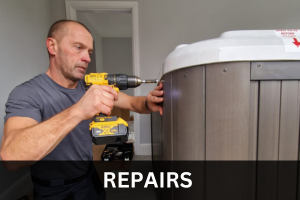
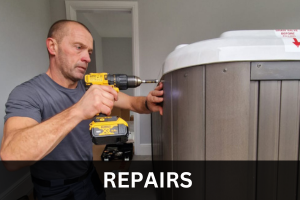
Pumps last 3-5 years with care, but persistent gremlins? Book Hot Tub Liverpool's repair service in the Cheshire area, Wirral, or beyond, for expert fixes at their Brunswick Business Park showroom. Your spa will thank you!
Simple Maintenance Tips for Pump Longevity
Monthly Checks to Catch Issues Early
Hey, keeping your hot tub and spa pumps in tip-top shape starts with simple monthly inspections, perfect for beginners. First, check for leaks around the pump housing, unions, and seals; a small drip can lead to big motor damage if ignored. Next, clean the impeller by removing the pump basket, brushing away leaves or hair with a soft tool, and never run it dry to avoid burnout. Visually inspect the capacitor on top of the motor for bulging, leaks, or scorch marks; a faulty one often causes humming without starting. These steps take just 15-20 minutes and can prevent 20-30% extra energy use from clogs. Do this every month, and rinse your filters too for smoother operation.
Winterizing in Freezing North Wales
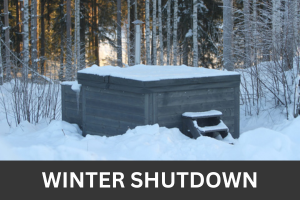
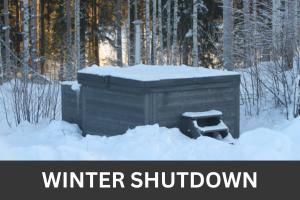
If you're in North Wales where temps drop below zero, protect your pumps from cracking due to ice expansion. Use self-draining models if equipped; they auto-purge water every few hours during off-season. For full shutdowns, drain completely with a submersible pump, vacuum lines, and dry everything before late October freezes. Keep it running if using regularly, maintaining temps above 26°C with good covers. This routine saves costly £500+ repairs.
Daily Runs and Chemical Balance
Run your filters and pumps 8-12 hours daily, like 4 hours morning and evening, for top sanitation and filtration. Balance chemicals weekly: pH 7.2-7.8, alkalinity 80-120ppm, sanitizer 3-5ppm. Poor balance causes 40% of wear; quarterly water changes help.
Annual Service and Energy Upgrades
DIY replace seals and O-rings yearly with £20-35 kits; pros handle bearings to avoid noise. Switch to variable-speed pumps for 30-50% bill cuts amid UK rising costs (27p/kWh). Visit Hot Tub Liverpool's Brunswick Business Park showroom for advice; it extends pump life to 5-10 years.
Hot Tub Pump Trends Shaping 2026
Variable-Speed Pumps Taking Over for Big Energy Wins
Hey, if you're eyeing upgrades for your hot tub and spa pumps, variable-speed models are the stars of 2026, dominating with up to 46% global adoption according to Global Growth Insights. These smart pumps adjust their speed on the fly, slashing energy use by 30-50% compared to old-school fixed-speed ones, which means real savings on your bills, especially with UK energy prices climbing. Imagine running your jets at low speed for filtration and cranking them up only for massage mode; that's quieter operation too, perfect for late-night soaks without waking the neighbors. For a typical family hot tub, this could save hundreds of pounds yearly, and many qualify for rebates. As residential spas make up 68% of demand, switching to variable-speed is a no-brainer for beginners wanting efficiency without hassle.
Smart Apps Making Control a Breeze
Smart integration is exploding, letting you tweak pump speeds via apps for auto-adjustments and remote checks from your phone. Picture getting alerts if your circulation pump needs attention or setting jets to ramp up before you get home. This tech, growing at 8.5% yearly, pairs perfectly with voice controls like Alexa for hands-free fun.
Tough Builds for UK Weather and Heat Pump Pairings
UK rain demands corrosion-resistant, self-draining hot tub and spa pumps that pair seamlessly with rising air-source heat pumps, boosting efficiency by 350% and cutting costs by £300-500 annually. These setups handle -15°C winters effortlessly.
High-HP Powering Wellness Like Cold Plunges
High-horsepower pumps fuel swim spas with strong currents for cold plunges at 5°C, aiding recovery and hydrotherapy in one tub, all while variable speeds drop energy use 75%.
The hot tub market hits $8.65B by 2031, with efficiency key for families. Swing by Hot Tub Liverpool's Brunswick Business Park showroom to explore these trends and upgrade your setup.
Actionable Takeaways: Keep Your Spa Pumping
Hey, you've got this! When it's time for a hot tub and spa pump replacement, kick off by spotting the type and horsepower right away. Flip to the label on your pump for details like "2HP jet pump" or "0.5HP circulation," and measure the frame (48F or 56F) plus intake/discharge sizes (1.5-2.5 inches) to match perfectly, avoiding costly mismatches.
If your pump's noisy or humming, try a quick air bleed first: open the bleeder valve near the pump, run it briefly, and top off water levels. Still humming? Swap the capacitor yourself with a multimeter test (under £20 online), but call pros if unsure, saving hundreds on simple fixes that extend life 1-2 years.
Looking ahead to 2026, prioritize variable-speed pumps; they slash energy bills by 30-50% versus fixed-speed models by adjusting flow smartly. Schedule annual maintenance checks to catch wear early, like cleaning impellers and seals.
Local folks in Liverpool, Wirral, or Cheshire? Swing by Hot Tub Liverpool's showroom at the back of Brunswick Business Park, open Monday to Saturday, for hands-on advice or repairs. Enjoy worry-free bubbles!
Conclusion
There you have it, hot tub newbie: the ultimate crash course on spa pumps. Key takeaways include understanding how these powerhouse pumps circulate and heat your water, exploring the main types like single-speed and variable-speed models to match your needs, selecting the perfect pump for your setup based on horsepower and plumbing, and mastering simple maintenance plus quick fixes for noises or weak jets.
This guide arms you with the confidence to skip the guesswork and dive straight into worry-free relaxation. No more fizzled dreams, just endless bubbles and bliss.
Ready to put it all into action? Grab your tools, check your pump today, and fire up that hot tub. Your ultimate soak starts now, pro.
Leave a comment
Subscribe
Sign up to get the latest on sales, new releases and more …