There's nothing quite like sinking into a warm, bubbling hot tub after a long day, so when yours suddenly stops working, it can feel like a total disaster. Maybe the water won't heat up, the jets have gone quiet, or the whole thing just won't turn on. Whatever the issue, you're not alone. Hot tub problems are more common than you might think, and the good news is that many of them are surprisingly easy to fix yourself.
In this guide, we're breaking down the most frequent hot tub repair issues that owners run into, what's likely causing them, and how to tackle the simple fixes at home. We'll also help you figure out when a problem is beyond the DIY stage and it's time to bring in a professional before things get worse or more expensive.
Whether you've just bought your first hot tub or you've had one for years but never had to troubleshoot it before, this list will walk you through everything in plain, simple terms. Let's get your tub back up and running.
The 6 Most Common Hot Tub Problems
If you own a hot tub, chances are you'll run into at least one of these issues at some point. The good news? Knowing what you're dealing with makes all the difference between a quick fix and an expensive repair bill. Here's a look at the six most common faults we see, explained in plain English so you can figure out what's going on before you pick up the phone.
1. Pump Failure
Pump failure is the number one fault reported in portable hot tubs, and it's usually pretty obvious when it happens. The most common signs are no water movement through the jets at all, a strange low humming or buzzing noise coming from the cabinet, or jets that suddenly cut out mid-soak. That humming sound is actually really telling; it means the motor is trying to start but can't turn properly, either because it's seized up or because there's an airlock stopping it from running.
In some cases, you might also notice a small amount of water dripping from inside the cabinet near the pump. This often points to a failing mechanical seal, which is the seal that sits between the motor and the wet end of the pump. If you catch it early, this is sometimes a manageable repair. Leave it too long, though, and you could end up needing a full pump replacement. If your tub has gone completely quiet with no water flow at all, don't keep trying to run it; running a pump dry or against a blockage can cause serious damage fast.
2. Heater Faults
Climbing into a lukewarm hot tub is nobody's idea of a good time. Heater faults are one of the most common reasons people call out an engineer, and the main symptom is pretty straightforward: your water just won't heat up to the right temperature, or it takes far longer than usual.
Before you assume the worst, there's one thing worth checking yourself first. Head to your consumer unit (your home's fuse box) and look for a tripped breaker. Hot tubs draw a lot of power, and the breaker can trip for all sorts of reasons including a power surge or a temporary fault. Simply resetting it and seeing if the tub heats up normally can save you a call-out fee entirely. If the breaker keeps tripping, or if resetting it makes no difference, then you're likely looking at a failed heater element, a burnt connection, or a faulty thermostat. These are not DIY jobs. They involve working with a 240V electrical system inside a water-filled environment, so please call a qualified hot tub engineer rather than attempting this yourself.
3. Weak or Non-Functional Jets
Jets that barely trickle or won't fire at all are frustrating, but the cause isn't always a broken pump. There are three things worth checking before you call anyone.
Start with the filter. A clogged filter is the most common culprit for weak jets, and it's also the easiest fix. Pull out your filter cartridge, give it a good rinse with a hose, and see if the flow improves. If the filter hasn't been cleaned in a while, it may need replacing entirely.
Check for an airlock. If you've recently refilled your tub, air can get trapped in the pipework and stop the pump from moving water properly. Your jets might blow air instead of water, or barely move at all. Some tubs clear airlocks automatically if you switch the jets on and off a few times. If not, a technician can briefly loosen a union fitting to bleed the trapped air out safely.
Consider the pump itself. If the filter is clean and there's no airlock, you could be looking at a failing jet pump. Pumps wear over time, especially in tubs that get heavy use year-round. At this point, it's time to bring in a professional for a proper diagnosis.
4. Control Panel Error Codes
Modern hot tubs are seriously smart these days, and one side effect of all that technology is the dreaded error code flashing on your control panel. Try not to panic when you see one; these codes are actually designed to help you, not confuse you.
Most common codes have very straightforward meanings. "FLO" usually means there's a flow issue, often linked to a dirty filter or a closed valve. "OH" means the water has overheated. "ICE" is a freeze warning telling you the tub has detected dangerously cold temperatures in the plumbing. To look up exactly what your code means, find your tub's model number (usually on a sticker inside the cabinet door) and search the manufacturer's website. Control panel manufacturers like Balboa Water Group and Gecko Alliance both publish full error code libraries online. A quick search with your model number and the error code will usually give you a clear explanation in minutes.
5. Water Leaks
A leak might seem like a minor inconvenience, but it's one fault you really shouldn't ignore. Water getting into the cabinet can rot the wooden frame, ruin the insulation, and, most seriously, create an electrical hazard in a system running at 240V. That combination is genuinely dangerous.
Leaks most commonly come from three places. Loose union fittings are the joints that connect pipework to the pump and heater; these can vibrate loose over time and are sometimes fixable with careful hand-tightening. Cracked pipes are usually the result of freeze damage or physical impact and will need professional repair. Worn pump seals are a natural wear item; a competent engineer can replace these relatively straightforwardly, but it's not a job to tackle without experience. If you can see water pooling inside the cabinet or dripping from underneath the tub, get it looked at quickly.
6. Freeze Damage
This one is especially relevant if you're in Liverpool, Cheshire, North Wales, or the wider North West. While our winters aren't as brutal as Canada or Scandinavia, the intermittent hard frosts and cold snaps we do get are absolutely enough to crack pipework and damage heater elements if a tub isn't properly protected.
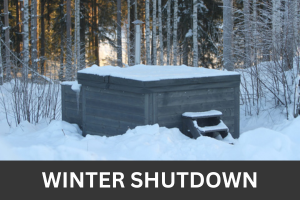
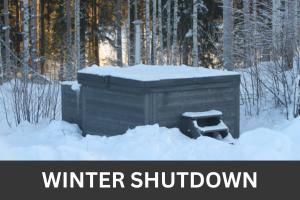
The single biggest mistake owners make is switching their hot tub off completely during cold weather to save on energy bills. This is a false economy. When the tub is powered on, the freeze-protection mode keeps water circulating and maintains a minimum temperature to stop the pipes from freezing. Switch it off, and that protection disappears entirely. Community reports following the cold snaps of January 2024 described multiple cases of cracked pipes caused by exactly this. One useful tip: keep your hot tub from freezing by ensuring the cover is in good condition and fits snugly, as heat loss through a damaged cover is a significant contributing factor. For tubs in particularly exposed locations, lagging the external pipework adds an extra layer of protection.
If you do suspect your tub has frozen, do not drain it. Emptying the tub in freezing temperatures actually makes things worse, because the water left in the plumbing will freeze far more quickly without the thermal mass of the full body of water. Call a professional who can use safe thawing methods and assess whether any components have been damaged in the process.
Should You Repair or Replace Your Hot Tub?
So you've diagnosed the fault, now comes the big question: is it worth fixing, or is it time to think about something new? Honestly, this is where a lot of hot tub owners get stuck, but the answer is usually simpler than you'd expect once you know what to look for.
If your tub is under five years old, repair almost always wins. A single component failure on a relatively new tub, whether it's a pump, a heater element, or a control panel, will cost a fraction of what a replacement unit would set you back. Hot tubs can last anywhere from 5 to 20 years with proper care, so writing one off early rarely makes financial sense. Parts and labour for a common fault will typically land well below the cost of buying new, so booking a repair is the obvious call.
Multiple faults on an older tub are a different story. If your tub is pushing 8 to 10 years and you're looking at a failing pump, cracked plumbing, and worn jets all at once, the cumulative repair bill can start creeping toward replacement territory. That doesn't automatically mean replace it, but it does mean you should get a professional assessment before spending anything. Committing to repairs without knowing the full picture is how people end up spending good money on a tub that throws another fault a month later.
Structural problems are the real red flag. A cracked shell or a severely rotted cabinet frame is generally not economical to repair. These are the faults that usually point toward replacement rather than a fix, and it's worth being honest with yourself when you spot them.
It's also worth knowing that the sustainability shift is real. More owners are choosing to repair rather than replace to extend the life of energy-efficient models, cut down on waste, and protect the investment they've already made.
If you're genuinely unsure which way to go, the team at Hot Tub Liverpool offers a no-pressure assessment service that gives you an honest, expert verdict based on your specific tub, fault type, and budget. No guesswork, no commitment, just a straight answer before you spend a penny.
Safe DIY Checks vs. Faults That Need a Professional
One of the most useful things you can learn as a hot tub owner is where your responsibilities sensibly end and where a qualified engineer's begin. Getting this right protects you, your family, and your investment.
What You Can Safely Handle Yourself
These checks cost nothing, carry minimal risk, and genuinely sort out a surprising number of faults:
Safe DIY checklist:
Clean or replace the filter cartridge (a clogged filter is one of the most common causes of pump strain and poor water flow)
Balance your water chemistry by testing and adjusting pH and alkalinity levels
Reset a once-tripped GFCI or RCD breaker, then monitor carefully
Check that your cover seal is intact and not letting heat escape
Verify thermostat settings before assuming the heater has failed
Bleed an airlock from the pump to restore water flow
If any of these quick checks resolve the issue, brilliant. Job done.
When You Must Call a Professional
Here is where things get serious. Water and electricity in close proximity is not a situation that forgives mistakes, and some faults carry real safety risk if tackled without proper qualifications.
Call a professional immediately if:
The breaker trips again after your reset
Error codes reappear after you have cleared them
You have any fault involving the heater element or pump wiring
There is any sign of moisture inside the control cabinet
Your unit is 7 to 10 years old and showing electrical faults (components age and GFCI breakers can become unreliable over time)
Attempting DIY repairs on internal electrical components also risks invalidating your manufacturer warranty, which could turn a manageable repair bill into a full replacement cost.
Persistent error codes that keep returning, or a tub that repeatedly trips the breaker, are your hot tub telling you clearly that something deeper needs professional diagnosis. At Hot Tub Liverpool, we would always rather you called us early than discovered a larger problem later. We are a friendly local resource, not just a sales desk, and honest advice is always part of the service.
Keeping Your Hot Tub Running Through Every Season in the North West
Living in the North West means you're no stranger to cold, damp winters, and your hot tub feels that too. One of the most important things to understand as an owner is this: keep your hot tub running through cold spells, even if you dial the temperature down a little. Switching it off entirely during a freeze is where the real damage happens. Standing water in pipes, jets, and fittings can freeze and crack components, leading to costly repairs that could have been completely avoided. A circulating, heated tub is far more resilient than a static, powered-down one. This applies across Liverpool, Wirral, and Cheshire, where sub-zero overnight temperatures are genuinely common between November and March.
Book a Post-Summer Service Before the Cold Sets In
Getting a service done in early autumn is one of the smartest habits you can build as a hot tub owner. Before temperatures drop, it's worth running through a proper checklist: clean or replace the filters, reset your water chemistry (aim for a pH of 7.2 to 7.6, balanced alkalinity, and correct sanitiser levels), and do a visual check of all seals, fittings, and your cover. Catching a small leak or a worn seal in September is a minor job; finding the same fault in January is a much bigger headache.
Hard Water Is a Real Issue in This Region
If you're based in Cheshire or parts of North Wales, hard water is something to take seriously. Limescale builds up quietly inside heater elements and jets, reducing efficiency and accelerating wear over time. Using a scale inhibitor regularly can make a meaningful difference to how long your components last.
Hot Tub Liverpool covers repairs and servicing across Liverpool, Wirral, Cheshire, North Wales, and Chester, so booking a seasonal check-up locally is straightforward. Proactive servicing is genuinely the best repair strategy; it catches small faults early, reduces the risk of emergency call-outs, and keeps your tub running well for years longer than a neglected one ever would.
Need a Hot Tub Repair in Liverpool or the Surrounding Areas?
If you're based in Liverpool, Wirral, Cheshire, North Wales, or Chester and your hot tub needs some attention, you're in good hands. The team at Hot Tub Liverpool covers all of these areas, so wherever you are across this stretch of the North West, local help is closer than you might think.
One of the things that sets Hot Tub Liverpool apart is the ability to work across a wide range of makes and models. Whether you've got a well-known brand or something a little less common, the team is experienced with all sorts of hot tubs, so you won't be left wondering whether your specific model is something they can help with.
It's also worth mentioning that Hot Tub Liverpool isn't just a name on a website. There's a real, physical showroom at the back of Brunswick Business Park where you can pop in, have a chat, and get genuine advice from people who actually know their stuff. That's a pretty big deal when you consider how many repair enquiries end up with a national call centre or a general plumber who's never looked inside a hot tub before.
If you'd like to get the ball rolling, head over to the Hot Tub Liverpool repairs page to find out more, or simply come and see us in the showroom. The team is available Monday to Saturday, so finding a time that works around you should be nice and straightforward.
The Bottom Line on Hot Tub Repairs
Here's the reassuring truth: the vast majority of hot tub faults are completely fixable, and panicking is almost never necessary. Hot tubs are built to last 15 to 20 years with proper care, so the odd error code or temperamental jet is normal wear, not a sign your tub is done for.
To recap the key takeaways: start with your safe DIY checks, work through the repair vs. replace framework before making any big decisions, and bring in a qualified local engineer for anything electrical or persistent. That approach handles most situations smoothly.
Catching problems early is the real money-saver here. A minor water chemistry imbalance spotted today costs pennies to fix; left unchecked, it can corrode pumps and heaters over time.
If you're ever unsure, the friendly team at Hot Tub Liverpool is here to help across Liverpool, Wirral, Cheshire, North Wales, and Chester. Give them a shout before a small fault becomes a big headache!
Conclusion
Hot tub problems are frustrating, but they don't have to ruin your relaxation routine. As we've covered, most common issues like heating failures, jet problems, and tripped breakers have straightforward causes and simple solutions you can handle yourself. Knowing your equipment, staying on top of regular maintenance, and catching small issues early will save you serious time and money in the long run. And when something feels beyond your comfort level, calling a professional quickly can prevent a minor repair from turning into a costly replacement.
Now that you know what to look for, do a quick check on your hot tub today. Run through the basics, consult your owner's manual, and don't put off that small fix you've been ignoring. Your perfect soak is closer than you think, and with the right knowledge, you're fully equipped to get there.
Leave a comment
Subscribe
Sign up to get the latest on sales, new releases and more …