Imagine soaking in warm, bubbling water after a long day, feeling every bit of tension just melt away. Sounds pretty amazing, right? That's exactly what owning a spa pool can feel like, and the good news is that more people than ever are making this dream a reality in their own backyards.
But if you're new to the world of spa pools, the whole thing can feel a little overwhelming. What type should you choose? How much does it actually cost? And are there real health benefits, or is that just clever marketing? These are all totally valid questions, and you're not alone in asking them.
That's why we've put together this beginner-friendly guide to walk you through everything you need to know. From the different types of spa pools available to the costs involved and the genuine health perks they offer, we've got it all covered. By the end of this post, you'll have a clear picture of whether a spa pool is the right fit for you and your lifestyle. Let's dive in!
So, What Actually Is a Spa Pool?
If you've landed here searching for "spa pool," you're in exactly the right place. In the UK, the terms "spa pool," "hot tub," and "spa" are used completely interchangeably, and it's a source of genuine confusion for a lot of people. According to BISHTA, the British and Irish Spa and Hot Tub Association, the overlap in terminology is well recognised across the industry. Whether you call it a spa pool, a hot tub, or even a jacuzzi, you're essentially talking about the same thing.
So what actually makes a spa pool a spa pool? At its core, every unit shares four defining features: heated water maintained at a consistent warm temperature, pressurised hydrotherapy jets that work like a hands-free massage for your muscles and joints, an insulated shell designed to retain heat efficiently, and built-in contoured seating that positions you right where the jets can do their job properly.
The concept of soaking in heated water for relaxation and health goes back thousands of years, but the modern domestic spa pool is a huge leap forward from those ancient baths. Today's units come loaded with smart digital controls, programmable jet systems, energy-efficient multi-layer insulation, and LED lighting. You can even manage temperature and settings from your phone with the latest models.
Speaking of names, you might have noticed that "Jacuzzi" gets used as a catch-all term for spa pools in general. That's the "Hoover effect" at work, where one dominant brand becomes shorthand for an entire product category. Jacuzzi is actually a specific brand, albeit a very well-known one.
At Hot Tub Liverpool, we stock a full range of spa pools to suit different budgets and lifestyles, from entry-level options starting around £3,000 right through to premium models at £8,000 and beyond, serving customers across Liverpool, Wirral, Cheshire, North Wales, and Chester.
The Main Types of Spa Pool You Can Buy
Not all spa pools are created equal, and knowing the main types before you start shopping will save you a lot of time and confusion. Here's a quick breakdown of what's out there.
1. Acrylic Shell Hot Tubs
These are the most popular type of spa pool by a wide margin, and for good reason. Acrylic hot tubs come in a huge variety of sizes, shapes, seating layouts, and jet configurations, so there's genuinely something for everyone. Whether you're after a cosy two-seater or a spacious eight-person model for the whole family, the options are extensive. Hot Tub Liverpool stocks both the HTL Range and Official Jacuzzi Hot Tubs, giving you access to some seriously impressive acrylic models with advanced hydrotherapy systems built in. Prices typically range from around £3,000 right up to £8,000 and beyond, depending on features and specification.
2. Wooden Hot Tubs
If you love a natural, garden-friendly look, wooden hot tubs are a brilliant choice. They bring real character and charm to outdoor spaces in a way that acrylic models simply can't match. The Rexener Wooden Hot Tubs stocked by Hot Tub Liverpool are a great example of this style done well, and they're becoming increasingly popular with homeowners who want something a little different.
3. Swim Spas
Swim spas are the true "spa pool" hybrid. They combine a swimming area with powerful hydrotherapy jets and adjustable swim currents, giving you the best of both worlds in a single unit. They're usable all year round and are perfect if you want the exercise benefits of a pool alongside genuine relaxation therapy. Check out this helpful buying guide if you want a deeper dive into this category.
4. Portable and Above-Ground Models
This growing segment has made spa pool ownership far more accessible. Portable models are ideal for renters, first-time buyers, or anyone who wants flexibility without a permanent installation. Entry prices are notably lower, making them a great starting point.
Key Buying Considerations
Before choosing your type, think about your available space, your budget, and what you actually want from your spa pool. Exercise and swimming naturally point you toward a swim spa, while pure relaxation suits an acrylic or wooden model beautifully. Installation requirements also vary, so it's worth discussing these with an expert before committing.
The Health Benefits That Make Spa Pools Worth It
Here's something that surprises a lot of first-time buyers: a spa pool isn't just a luxury purchase. It's genuinely good for you. Let's break down the real health benefits, because there are more than you might expect.
1. Hydrotherapy That Actually Works
Warm water combined with pressurised jets is a powerful combination for your body. The heat relaxes muscle fibres while the jets target specific areas of tension, making it brilliant for anyone dealing with sore muscles, joint pain, or conditions like arthritis. One of the most impressive facts here is that water buoyancy reduces the weight load on your joints by around 90%, which explains why even a short soak can feel so dramatically different from other forms of rest. People recovering from sports injuries often use hydrotherapy as part of their rehabilitation, and just 15 minutes a day can deliver real benefits including pain relief, better mobility, and reduced stiffness.
2. Better Circulation
When you sit in a warm spa pool, your blood vessels dilate in response to the heat. This means your heart can pump blood around the body more efficiently, delivering oxygen and nutrients to tired muscles faster. It's a passive but genuinely effective way to support your cardiovascular system, especially after exercise or a long day on your feet.
3. Less Stress, Better Sleep
Soaking in a spa pool raises your core body temperature. Once you get out and your temperature begins to drop, your body interprets that shift as a natural sleep signal, helping you fall asleep faster and sleep more deeply. Regular use also helps reduce cortisol, the body's primary stress hormone, so you're not just sleeping better, you're genuinely unwinding.
4. A Real Wellness Tool
A 2025 peer-reviewed study drawing on 42 studies and data from 366 participants positioned spa therapies as legitimate non-pharmacological tools for managing stress-related conditions including anxiety and burnout. This isn't spa marketing speak. It's evidence-backed wellness.
It's no coincidence, then, that the global pool and spa market is projected to reach USD 37.93 billion by 2034 (Straits Research), with at-home hydrotherapy and stress relief cited as the primary drivers of that growth. People aren't just buying spa pools for the aesthetics. They're investing in how they feel every single day.
How Much Does a Spa Pool Cost?
Let's be honest, price is probably one of the first things on your mind. So here's a straightforward breakdown of what you can expect to spend at each level of the market.
Entry-Level: From Around £3,000
At the more accessible end, you're looking at smaller, portable or above-ground spa pools that still deliver a genuinely enjoyable soak. These units typically come with a solid jet configuration, comfortable seating for two to four people, and easy plug-in or low-complexity electrical setups. They're a brilliant starting point if you're new to spa pool ownership and want to test the waters (quite literally) without committing to a flagship spend. Don't let the lower price fool you; these models can provide real relaxation and hydrotherapy value.
Mid-Range: £4,000 to £6,000
This is the sweet spot for most families, and it's easy to see why. In this price band, you get larger seating capacity, more powerful and adjustable jets, significantly better insulation (which keeps running costs down), and more intuitive control systems. You'll notice a meaningful step up in build quality and overall experience compared to entry-level units. If you're buying for regular family use or want something that genuinely feels like a luxury addition to your garden, this tier is where most buyers land happily.
Premium and Luxury: £7,000 to £8,000+
At the top end, you're getting into flagship territory. Think advanced hydrotherapy jet systems, full LED mood lighting, smart app controls, and premium build quality from respected names like Jacuzzi. These models are built to impress and built to last. For a deeper look at how swim spa pricing breaks down in 2026, it's worth exploring current market guides to understand exactly what features justify the premium spend.
Hidden Costs to Budget For
The sticker price is just the starting point. Here are the extras you genuinely need to factor in:
Electrical work: Most full-size spa pools require a dedicated 32A or 63A supply, and hiring a qualified electrician typically adds anywhere from £300 to over £1,000 depending on the complexity of the job.
Delivery and base preparation: A reinforced concrete pad or solid decking base is often needed before installation.
Cover and steps: Quality insulated covers and entry steps are frequently sold separately.
Ongoing maintenance: Water treatment chemicals, filter replacements, and periodic servicing all add up over the year.
Framing It as an Investment
Here's the perspective shift that makes spa pool ownership feel much more reasonable. A well-maintained spa pool can last 15 to 20 years or more. One Cheshire swim spa owner bought their unit back in April 2006, and it's still running strong in 2026, which is a remarkable 20-year track record. When you spread the purchase cost across two decades of use, the per-year figure becomes genuinely competitive with far less enjoyable purchases. That's not a bad return for something sitting in your back garden waiting to be enjoyed every single evening.
Can You Use a Spa Pool All Year Round in the UK?
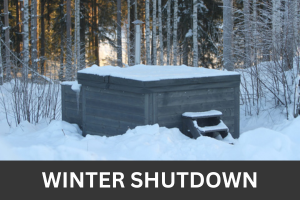
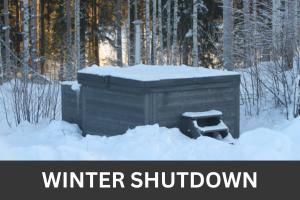
The short answer is absolutely yes. Spa pools are built for year-round use, and you might be surprised to hear that a lot of owners actually say winter is their favourite time to use one. There's something genuinely special about soaking in warm, bubbling water while it's cold and dark outside. Far from being a fair-weather luxury, a well-set-up spa pool earns its keep all twelve months of the year.
Need some real-world proof? A swim spa owner in Cheshire has been running their unit at a comfortable 31°C every single day since April 2006, using a heat pump to keep costs manageable. That's nearly twenty years of year-round use, right here in the North of England. If the climate in Cheshire isn't a barrier, neither is Liverpool, Wirral, North Wales, or Chester, all areas where Hot Tub Liverpool supplies and supports customers looking to get the most from their spa pool setup.
The real game-changer for year-round use is the heat pump. Unlike a standard electric heater that generates heat directly, a heat pump works by pulling warmth from the surrounding air and transferring it into your water. This makes it significantly more efficient, cutting your running costs considerably. Modern inverter-driven units can even operate in sub-zero temperatures, so a chilly January night in the North West genuinely isn't a problem. You can read more about how heat pumps work for pool and spa heating if you want to dig into the technical side.
Insulation matters just as much as your heating setup. Quality spa pools come with full-foam insulation and a well-fitted cover that locks in heat between sessions. With the right cover and insulation, your spa pool doesn't have to work hard to hold temperature even in freezing conditions, which keeps your energy bills sensible and your water ready whenever you are.
What Does It Actually Cost to Run a Spa Pool?
Running costs are probably the number one thing people worry about before buying a spa pool, and honestly, it's one of the most misunderstood topics in the whole buying journey. The good news is that a modern, well-insulated spa pool with a heat pump costs a lot less to run than most people expect. The bad news is that older or poorly insulated models can cost a fortune, which is where a lot of the scary stories come from. Understanding the difference is key to budgeting accurately.
For a standard hot tub in the UK, you're typically looking at somewhere between £30 and £60 per month in running costs if you've got a well-insulated model with a heat pump. That's a manageable figure for most households, roughly equivalent to a streaming subscription or two. Less efficient models without heat pumps can push that number up significantly, with some owners reporting costs of £200 or more per month during winter. You can see real owner discussions on swim spa running costs here that really highlight how much heating technology matters.
The single biggest factor in keeping costs down is pairing your spa pool with a heat pump. Rather than generating heat from scratch using electricity, a heat pump extracts warmth from the surrounding air and transfers it to your water. This process is incredibly efficient, cutting heating costs by up to 75% compared to traditional electric heaters. For a detailed breakdown of whether hot tubs are expensive to run in 2026, the answer largely comes down to this one upgrade.
Beyond electricity, there are a few other ongoing costs worth factoring into your budget:
Water chemicals (chlorine or bromine plus pH balancers): roughly £15 to £25 per month
Filter replacements: typically once every 12 months
Annual service: a professional check-up covering pumps, jets, seals, and water systems
The reassuring thing about these costs is that they're completely predictable. No nasty surprises, just straightforward maintenance that keeps your spa pool running smoothly and safely.
Energy efficiency is also becoming a much bigger priority for buyers in 2026, and for good reason. Choosing a spa pool with strong insulation and a compatible heat pump isn't just financially smart; it's also the more environmentally responsible choice. Lower energy consumption means a smaller carbon footprint, which matters more and more to today's buyers. According to Hydropool's guide on hot tub energy use, the right setup makes a substantial difference to your bills year-round.
Swim Spas: The Hybrid Spa Pool Worth Knowing About
If you've been picturing something that gives you a proper swim AND a relaxing soak, then a swim spa is almost certainly what you had in mind when you typed "spa pool" into Google. It's genuinely the closest thing you can get to owning both a swimming pool and a hot tub in a single unit, without needing the garden of a stately home to fit it in.
How Does a Swim Spa Actually Work?
The clever bit is in the jets. Powerful adjustable swim jets push a continuous current of water towards you, so you swim against the flow and stay in one place. Crank the resistance up for a proper workout, dial it back for a gentle recovery session. The hydrotherapy section, usually at the opposite end or separated by a divider, works exactly like a traditional hot tub with warm water and massage jets built for soaking and unwinding. Two experiences, one shell.
Perfect for a Standard UK Garden
This is where swim spas make a lot of sense for homeowners across Liverpool, Wirral, Cheshire, and North Wales. A full in-ground pool needs serious space and serious groundwork. Most swim spas sit in the 4 to 6 metre range and drop into a typical UK garden without drama. You can find a solid swim spa vs pool comparison that breaks down exactly why the footprint difference is such a big deal for most homeowners.
Year-Round Use in One Product
The dual-zone design is a genuine game changer. The swim section and the hydrotherapy zone can run at different temperatures at the same time, so you can swim laps in the morning and soak in the evening without any compromise. For UK winters, that flexibility matters enormously.
And if you want proof that a quality swim spa is built to last, consider this: a customer in Cheshire purchased their swim spa back in April 2006, and that same unit is still fully operational in 2026. That's twenty years of use from a single purchase, which is a pretty compelling argument for treating a swim spa as a long-term home investment rather than a luxury splurge.
Spa Pools and the Bigger Wellness Picture in 2026
If you've been thinking of a spa pool purely as a way to unwind after a long week, 2026 has some genuinely exciting news for you. Hot and cold contrast therapy has exploded into mainstream wellness culture, and it's no longer reserved for professional athletes or high-end retreat centres. Ordinary homeowners across the UK are now pairing their spa pool soaks with sauna sessions and ice baths, turning their back gardens into proper personal wellness setups. It sounds intense, but the reality is far more accessible than you might think.
The science behind it is actually pretty compelling. When you alternate between hot and cold, your blood vessels rapidly dilate in the heat and constrict in the cold. This cycle effectively pumps blood through your body, boosts circulation, flushes out inflammatory markers, and triggers a significant release of mood-lifting endorphins. Many people report feeling genuinely energised rather than wiped out after a contrast session, which is a big part of why it's caught on so fast. Research into cold water therapy is also exploring its potential benefits for anxiety and depression, with some of the largest randomised trials currently underway in the UK.
What makes this trend particularly relevant is how wellness is reshaping the way people spend at home in 2026. McKinsey research suggests that consumers increasingly treat wellness as a daily priority covering sleep, recovery, and mental health rather than an occasional treat. The global hot tub market reflects this shift, projected to grow from USD 7.8 billion in 2025 to USD 11.9 billion by 2035, with at-home wellness investment cited as a primary driver.
The practical bit is worth highlighting here. Hot Tub Liverpool stocks indoor and outdoor saunas, sauna heaters, and ice baths alongside their full spa pool range. That means you can build a complete contrast therapy circuit at home without juggling multiple suppliers or piecing things together yourself. Everything you need is available in one place, and the team at the showroom can help you figure out what combination works best for your space and budget.
Thinking about a spa pool as part of a wider wellness investment rather than just a luxury purchase also makes the cost feel a lot more justified. When you consider that you're essentially bringing a recovery and wellbeing facility into your own home, the numbers start to look very different.
Why Get Your Spa Pool From Hot Tub Liverpool?
If you've made it this far in this guide, you're probably getting serious about buying a spa pool. So let's talk about where to actually get one.
Hot Tub Liverpool is an official Jacuzzi stockist, which is a bigger deal than it might sound. Jacuzzi holds the largest individual brand market share in the global hot tub industry, and buying through an authorised dealer is the only way to guarantee your warranty is valid, your product is genuine, and you've got proper after-sales support if anything goes wrong. Buying a Jacuzzi from an unverified source online? That's a risk not worth taking on a purchase this size.
The range on offer is genuinely impressive. Whether you're looking at an entry-level HTL Range model starting from around £3,000, a premium Jacuzzi Hot Tub, or something with real character like a Rexener Finnish Wooden Hot Tub, it's all under one roof. Swim spas, heat pumps, saunas, ice baths, chemicals, and servicing are all available too, so you're not piecing things together from multiple suppliers.
There's also the local knowledge factor. The team covers Liverpool, Wirral, Cheshire, North Wales, and Chester, meaning they genuinely understand regional delivery logistics, garden access challenges, and what works in a North West climate.
Best of all, there's a real showroom at Brunswick Business Park. Seeing and touching a spa pool in person before spending thousands beats scrolling through product pages every single time. Pop in Monday to Saturday for honest, no-pressure advice from people who actually know their stuff.
Ready to Find Your Perfect Spa Pool?
By now you've got a pretty solid picture of what spa pools are all about. To quickly recap: "spa pool" and "hot tub" mean the same thing in the UK, the range runs from compact portable models right through to full swim spas, the health and wellness benefits are genuinely well-supported, and yes, you can absolutely use one all year round with the right setup.
The next step is finding the one that actually fits your life. Whether you've got a small city garden or a sprawling outdoor space, there's a spa pool that works for your budget and your setup. Pop into the Hot Tub Liverpool showroom at Brunswick Business Park, browse the range online, or just get in touch to have a chat about what suits you best.
It's also worth thinking long-term here. A quality spa pool is easily a 15 to 20-year investment in your health, your home, and your everyday wellbeing. That's not just a garden accessory, that's real daily value.
If running costs are on your mind, take a look at the heat pump range, which can make a serious difference to your monthly bills. And if you're drawn to the full wellness lifestyle, the sauna and ice bath options are well worth exploring too.
Conclusion
A spa pool is more than just a luxury purchase; it's an investment in your health, your home, and your everyday wellbeing. To recap the key points covered in this guide: spa pools come in a range of types to suit different budgets and spaces, costs vary widely depending on the model and installation requirements, and the health benefits, from stress relief to improved sleep and muscle recovery, are genuinely backed by research.
Now that you have a clearer picture of what spa pool ownership really involves, the next step is yours to take. Browse local suppliers, request a few quotes, and if possible, book a wet test to experience the difference firsthand. The perfect spa pool is out there waiting for you. All that's left is finding the one that fits your life perfectly.
Leave a comment
Subscribe
Sign up to get the latest on sales, new releases and more …