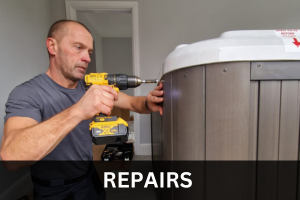
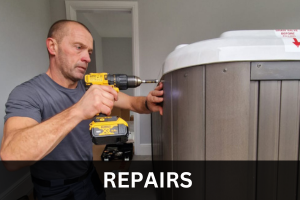
Picture this: you've just fired up your wood-fired hot tub, the steam's rising, and you're ready to sink into that perfect soak after a long day. But then you notice the water's getting cloudy with leaves, dirt, and who knows what else. Bummer, right? If you're new to owning one of these awesome tubs, keeping the water crystal clear might feel like a mystery.
That's where a wood fired hot tub filter system comes in. It's a game-changer for beginners like you, turning murky mess into spa-like bliss without breaking the bank or calling a pro. In this tutorial, we'll walk you through installing it step by step. You'll learn what tools you need (spoiler: mostly stuff you already have around the house), how to pick the right filter for your setup, and simple tips to avoid common newbie pitfalls.
By the end, you'll have cleaner water, less scrubbing, and more time chilling. No fancy skills required, just follow along, and your hot tub will thank you. Let's dive in!
Understanding Wood-Fired Hot Tub Filter Systems
Hey there, hot tub newbie! If you're loving the rustic charm of a wood fired hot tub filter system but wondering why it doesn't come with all the bells and whistles of electric models, you're in the right place. Let's break it down simply.
Why Traditional Wood-Fired Tubs Skip Built-In Filters
Picture this: classic wood-fired tubs are all about that off-grid, back-to-nature vibe. They heat water with a wood stove, no electricity needed, which means no built-in pumps or filters to keep things simple and reliable. Instead, they work like your everyday bath, you fill 'em up, heat, soak, and drain via a bottom plug after a few uses. Without circulation, stuff like skin oils, dirt, and leaves build up fast in that warm water, so fresh fills every 3-5 days keep it safe and clear. It's eco-friendly on water use if you're solo, but a hassle for families.
Popular Retrofit Options to Level Up
Good news, you can add a wood fired hot tub filter system easily! External pumps pull water out the drain, run it through filters, and pump it back. Go for sand filters that trap tiny particles (down to 20 microns) in a tank, backwashing clean lasts years. Fiber-ball filters are lightweight champs, 700g equals 25kg of sand, washable and super eco. Pool adapters hook cheap pool pumps to your tub with simple kits, while UV combos zap bacteria for crystal water. Run 'em 1-3 hours daily on a timer, mount outside, and skim debris, check this guide for setup tips.
2026 Trends: Sustainability and Hybrids on the Rise
The hot tub market's exploding, hitting USD 8.65 billion by 2031 (Yahoo Finance), with wood-fired fans pushing green hybrids, wood stove plus electric filtration for less draining. Think certified wood, better insulation, off-grid appeal in rural spots like North Wales.
Extending Water Life to 3+ Months
Filters change everything, circulating out gunk so water lasts months with minimal chemicals like dichlor granules (1-3 ppm). Pair with UV for low chlorine, test pH weekly, shock after parties. Pros and cons of adding filters. At Hot Tub Liverpool, grab accessories in our Brunswick Business Park showroom, open Mon-Sat!
Pros and Cons of Adding a Filter System
Pros of Adding a Filter System
Let's dive into the upsides first, folks. A wood fired hot tub filter system keeps your water crystal clear by trapping tiny particles like sand, pollen, skin flakes, and even body oils that make things cloudy or smelly. Imagine soaking in spa-quality water without the hassle. You'll drain and clean way less often, stretching water life from a few days to 3-4 months when paired right. Fiber-ball filters shine here; just 700g of these lightweight wonders equals 25kg of traditional sand, filtering down to 5 microns for superior clarity while being reusable and eco-friendly. Plus, they cut waste since you can toss them in household bins after use.
Long-term, you'll save cash on water bills, chemicals, and refills. Pairing with a UV sterilizer lets you run super low on chemicals, like just 1-3ppm dichlor or liquid chlorine, as shared by users on the Trouble Free Pool forums. One owner kept wood tub water pristine for over a year this way, dodging algae and mold. It's perfect for families or rentals in Liverpool or Wirral, boosting relaxation without constant upkeep.
Cons to Consider
That said, it's not all smooth sailing. Upfront costs for pumps, filters, and plumbing adapters can sting, especially if you're going off-grid. Setup adds complexity, like tweaking hoses or mounts, which might overwhelm beginners. Many systems need electricity for circulation pumps (around 200W on timers), clashing with the pure wood-fired vibe and upping your energy use. External gear also eats space, whether tucked near your tub in Cheshire or North Wales gardens.
Experts note the trade-off: balancing off-grid simplicity with modern filtration. Some suggest starting simple with manual skimmers before full pumps. Check the Baltresto hot tub water care guide for rinse tips to keep things efficient.
Ultimately, weigh if convenience beats rustic ease for your setup. (198 words)
What You Need Before Installing
Hey folks, before jumping into installing your wood fired hot tub filter system, let's round up the essentials so you're set for a smooth DIY upgrade. You'll need a filter adapter kit to connect your tub's drain to standard hoses, a reliable circulation pump (aim for 900-1500 GPH to turn over water 4 times per hour in a 300-500 gallon tub), and compatible filter media like silica sand or lightweight fiber-balls (about 26lb sand or 700g balls for small setups). Don't forget reinforced 1.25-inch hoses (10-20 feet for inlet and outlet) with clamps, and consider an optional UV sterilizer to zap bacteria without extra chemicals. Always double-check your tub model's drain port size, usually 1-1.25 inches threaded, for perfect fit.
Tools You'll Need
Grab adjustable wrenches or pliers for fittings, thread sealant like Teflon tape, hose clamps, and a screwdriver. If using an electric pump, ensure a GFCI-protected 110V outlet nearby (20-30 foot extension works). A bucket or submersible pump helps with partial draining, and pick a level spot for the setup.
Safety First
Turn off and cool the stove completely to avoid burns, then drain about a third of the water for access. Test everything for leaks afterward, keep electrics dry, and remember filtration catches debris but pair it with sanitizers like dichlor for safety.
Budget-wise, expect $200-500 total based on Reddit DIY threads, covering adapter, pump, media, and hoses. Pro tip: Swing by the Hot Tub Liverpool showroom at the back of Brunswick Business Park for hands-on accessory advice, open Monday to Saturday. They'll guide you on options to match your setup perfectly.
Step-by-Step Installation Guide
Hey folks, now that you've got your gear ready from the "What You Need" list, let's roll up our sleeves and get that wood fired hot tub filter system installed. This DIY setup typically takes 1-2 hours with basic tools like wrenches, hose clamps, and Teflon tape. We'll use a standard adapter kit paired with a 925-1000 GPH circulation pump, sand or fiber-ball filter, and optional UV sterilizer for crystal-clear water that lasts 3+ months. Always work on a level surface near a GFCI outlet, and if you're in the Liverpool, Wirral, Cheshire, North Wales, or Chester areas, swing by Hot Tub Liverpool's showroom at Brunswick Business Park for hands-on advice or parts. Safety first: unplug everything and drain the tub if needed before starting.
Step 1: Prep the Tub and Locate Drain or Inlet for Adapter Placement
Start by fully draining your wood-fired hot tub if it's filled, then pick the least visible side, like behind a seat, to keep things looking tidy. Flip the tub or access the underside to find the standard 1-1.5 inch drain plug or port, which most models have for easy emptying. Thread in your inlet adapter, such as a 90-degree nylon elbow from your kit, using plumber's putty or Teflon tape for a watertight seal; secure it firmly with clamps to create the suction point. Prep a stable spot nearby, like a concrete pad or deck, within 10 feet to avoid hose pressure loss, and ensure it's elevated slightly for better flow. For example, one user reported perfect results by mounting everything behind the tub for a clean aesthetic. This step sets up reliable water pull without interfering with your soak time.
Step 2: Install Circulation Pump and Connect Hoses to Filter Housing
Assemble the filter housing first: for sand filters, add 25-50 pounds of silica sand while rinsing; fiber-balls are lighter and easier at just 700 grams replacing 25 kilograms of sand, trapping particles down to 5 microns. Mount the pump and filter combo securely 1-3 feet off the ground using bolts or straps to help with priming and prevent vibrations. Connect 1-1.5 inch reinforced hoses like this: suction hose from the tub's inlet adapter to the pump inlet, pump outlet to filter inlet (set multiport valve to filter mode), and filter outlet to a return adapter on the tub rim. Double-check all barbs and clamps for snug fits, adding check valves if your setup has elevation changes. Short hoses reduce head loss, ensuring strong circulation; test dry-run alignment before water to catch issues early. Pro tip: Run the pump 2-3 hours daily on a timer for optimal clarity with minimal electricity costs around $5 monthly.
Step 3: Mount External Filter Securely Nearby
Position the whole filter-pump assembly 2-5 feet from the tub on a weatherproof base, securing it with brackets against wind or movement. Fiber-ball filters shine here for their lightweight design and less frequent backwashing compared to sand. Add a skimmer net on the tub's windy side to catch surface debris like leaves before it hits the filter, extending its life. In coastal spots like North Wales, this setup handles extra pollen and salt beautifully. Ensure everything's accessible for maintenance, perhaps in a simple enclosure for longevity.
Step 4: Add UV if Desired, Prime the System, Test Flow and Leaks
For chemical-light sanitation, splice in a UV sterilizer inline after the filter and before the return, plugging it into the pump circuit; it zaps bacteria without heavy chlorine doses. Fill the tub to its normal 450-650 gallon level, then prime by hosing water through hoses and filter to bleed air, tilting components as needed. Power up via GFCI, run for 5-10 minutes, and inspect for strong return flow, no cavitation noise, leaks at joints, or pressure spikes over 10 PSI on the gauge. Adjust chemistry to pH 7.0-7.4 and chlorine 1-3 mg/L post-test. One backyard setup in Cheshire saw water stay pristine for months this way. If issues pop up, tighten clamps or backwash initially; you're now set for hassle-free hot tubbing!
Hey folks, now that your basics are sorted, let's dive deeper into nailing the pump and filter setup for your wood fired hot tub filter system. Start by securing the circulation pump to the tub side with stainless steel brackets or straps. Position it 6-12 inches above the waterline for easy access and to dodge splashes; screw them firmly into the wooden staves, and slip anti-vibration pads underneath to hush noise and prevent wear. This external mount keeps it safe from the stove's heat, unlike risky internal spots.
Next, route the 1-1.5 inch reinforced PVC hoses (rated 140°F+) smartly. Connect intake from a skimmer on the windy side, through the pump and filter, then back via a submerged return. Keep hoses 2-3 feet clear of the stove chimney and firebox using protective sleeves; clamp them tight to avoid leaks. Pro tip: aim for 2-4 hour daily runtimes for full water turnover.
Finally, fill your sand filter tank with 25kg of #20 silica sand (20-40 micron filtration) or swap for 700g fiber-balls, which trap finer 3-5 micron particles, weigh way less, and rinse reusable. Layer gravel base first if using sand, backwash till clear, then reassemble. For crystal water lasting months, pair with minimal chlorine (1-3mg/L) and run 4-8 hours daily. Swing by Hot Tub Liverpool's showroom in Brunswick Business Park for hands-on advice! Check DIY hot tub plans for visuals.
Maintenance Tips for Long-Lasting Filters
Hey folks, now that your wood fired hot tub filter system is up and running smoothly, keeping it in top shape is key to crystal-clear water and hassle-free soaking. Regular maintenance not only extends filter life to 1-2 years but also lets your water last 3+ months with minimal chemicals, as shared by users on hot tub forums. Think of it like giving your tub a spa day every month, it prevents clogs, boosts flow, and saves you from frequent drains. Let's break it down with simple, beginner-friendly steps backed by expert advice.
Monthly Deep Cleaning: Soak and Rinse for Peak Performance
Start with a monthly deep clean to trap up to 90% of debris, oils, and bacteria. First, do a quick weekly rinse: turn off the pump, remove the filter, and hose it inside-out with a garden spray nozzle until water runs clear, this takes just 5 minutes and avoids damage from pressure washers. For the full treatment, soak the filter overnight in a bucket with hot tub filter cleaner, about 1 capful per gallon of water, then agitate and rinse thoroughly until no suds remain. Air-dry it completely for 24-48 hours to stop mold, and rotate with a spare filter so you're never tub-less. Check out this complete guide to cleaning hot tub filters for visuals. Pro tip: if it sinks in clean water instead of floating, it's time for a new one, this routine can double its lifespan and keep flow at 20-50 gallons per minute.
Boost Results with Weekly Dichlor/UV Checks
Pair cleaning with weekly sanitation for 3+ months of sparkling water, just like forum users report with wood-fired setups. Dose dichlor granules post-use to hit 1-3 ppm free chlorine, run your UV system 2-4 hours daily, and test pH at 7.2-7.8 plus bacteria levels. This combo oxidizes organics without harming wood, as detailed in wooden hot tub water maintenance tips. One Trouble Free Pool thread shares success stories of bi-weekly use yielding 2 months per fill.
Monitor Flow and Swap Fiber-Balls Yearly
Watch flow rates weekly, jets should feel strong at 30-40 GPM, log any drops to catch issues early. Fiber-ball filters shine here, eco-stars where 700g matches 25kg of sand, filtering to 5 microns for less waste and chemicals. Clean monthly like cartridges, replace yearly when saturated, cutting water use by 30-50%. See real advice on cleaning wood-fired hot tubs from the community.
For hands-off help in Liverpool, Wirral, Cheshire, North Wales, or Chester, Hot Tub Liverpool provides expert maintenance, including filter swaps and full checks. Swing by our Brunswick Business Park showroom or call for service, your wood-fired oasis deserves it!
2026 Trends and Local Liverpool Tips
Hey folks, looking ahead to 2026, wood fired hot tub filter systems are exploding in popularity, especially in rural Cheshire and North Wales where glamping vibes are taking over. Picture cozy sites like those near Snowdonia or Poynton, with private tubs tucked into shepherd's huts or pods, drawing wellness seekers for that off-grid Scandinavian charm. Demand is surging thanks to low running costs, just £1-3 a day in wood, versus electric models, and the UK's glamping boom tied to a wellness market growing at 19.4% annually. Local families and holiday lets are snapping them up for immersive nature escapes, often retrofitting filters like adapter kits to keep water pristine for weeks.
Wellness Integration for Backyard Bliss
Pair your filtered wood fired hot tub with a sauna for the ultimate setup, creating "fire and ice" contrast therapy zones right at home. Alternate hot soaks in crystal-clear, filtered water with sauna heat to boost circulation, relieve muscles, and sharpen your mind. Add chromotherapy lights or aromatherapy for extra luxury. This trend aligns with 2026's high-performance sanctuaries, perfect for Liverpool backyards or Cheshire retreats.
Local Servicing for Hassle-Free Fun
With ownership booming, maintenance is key, and we're seeing a servicing surge here in the Liverpool area. At Hot Tub Liverpool, our repair and maintenance services handle everything from filter cleaning to wood stove tweaks, covering Wirral, Cheshire, North Wales, and Chester. Swing by our Brunswick Business Park showroom Monday to Saturday for expert tips. Skip DIY headaches in our humid weather; let us keep your system sparkling for seasons of relaxation. (198 words)
Ready to Upgrade Your Hot Tub? Key Takeaways
Hey folks, adding a wood fired hot tub filter system transforms your off-grid oasis into a practical everyday retreat without ditching that rustic charm. These setups trap dirt, oils, and debris for crystal-clear water that lasts 3+ months with just minimal chemicals like dichlor or UV combos, cutting down on frequent drains. Owners love how fiber-ball filters (just 700g equals 25kg of sand) keep things eco-friendly and low-maintenance. Check out real user tips on retrofitting filtration from hot tub enthusiasts.
Ready to dive in? Grab your filter adapter kit, circulation pump, and cleaner from our earlier list, then follow the step-by-step install and soak filters weekly for peak performance. Regular upkeep means fewer headaches and more soaks.
Swing by Hot Tub Liverpool's showroom at the back of Brunswick Business Park, open Monday to Saturday, for pro advice, accessories, or servicing in Liverpool, Wirral, Cheshire, North Wales, or Chester. Kick back with sustainable luxury in your backyard today! Wood-fired hot tub market trends show this vibe is booming.
Conclusion
There you have it: installing a filter on your wood-fired hot tub is simpler than you think. Key takeaways include selecting the perfect filter for your setup, using basic household tools, following our step-by-step process to sidestep common mistakes, and maintaining crystal clear water with minimal effort. This upgrade delivers spa-quality results without the hassle of professionals or high costs.
You now hold the power to transform murky water into pure relaxation paradise. Grab your tools, fire up that tub, and install your filter today. Imagine sinking into steaming, pristine bliss after a long day. Your ultimate soak starts now; do not wait another moment. Share your before-and-after photos in the comments below!
Leave a comment
Subscribe
Sign up to get the latest on sales, new releases and more …