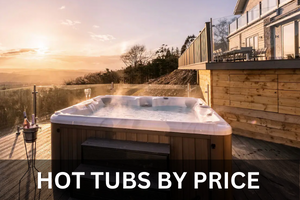
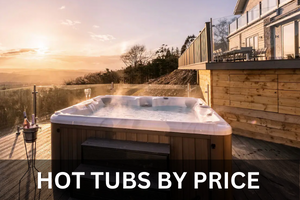
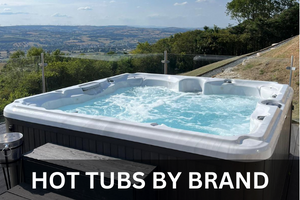
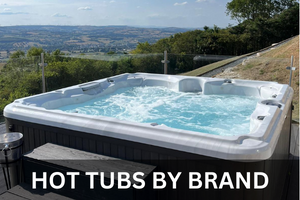
Imagine stepping into your backyard after a long, stressful week and sinking into warm, bubbling water under the open sky. Sounds pretty amazing, right? A garden hot tub can make that dream a reality, and more people than ever are adding one to their outdoor space.
But before you start browsing models and imagining those relaxing evenings, there are a few important things you should know. Buying a garden hot tub is an exciting decision, but it comes with more considerations than most people expect. From installation requirements and running costs to maintenance routines and safety features, there is a lot to think about before you commit.
The good news is that you do not need to be an expert to figure it all out. This guide breaks everything down in a straightforward, beginner-friendly way so you can shop with confidence. Whether you are just starting your research or getting close to making a purchase, these 10 essential tips will help you avoid common mistakes and find the perfect hot tub for your garden. Let us dive in!
Why a Garden Hot Tub Is Worth It
If you've ever wondered whether a garden hot tub is really worth the investment, you're not alone. And the short answer? Absolutely yes. The global hot tub market tells the story pretty clearly, with projections showing growth from around USD 8.1 billion in 2026 to USD 11.9 billion by 2035. That's millions of homeowners worldwide choosing to bring wellness and relaxation right into their own backyard. This isn't a passing trend; it's a genuine shift in how people think about their homes and their health.
So what's driving all that demand? The benefits of investing in a hot tub come down to a few big motivators. Stress relief is a huge one, since warm water and hydrotherapy jets work together to ease muscle tension and help your body properly unwind after a long day. There are real physical benefits too, including improved sleep, joint relief, and faster muscle recovery. And then there's the social side, because a hot tub quickly becomes the favourite gathering spot for family nights and get-togethers with friends.
Post-pandemic life changed how we see our outdoor spaces, and gardens are now treated as genuine lifestyle investments rather than just somewhere to mow. For homeowners across Liverpool, Wirral, Cheshire, and North Wales specifically, a garden hot tub is especially practical. Our winters are long and chilly, but a hot tub means your outdoor space stays usable and enjoyable all year round, not just during the few warm months.
The smartest way to think about a hot tub purchase is as a long-term asset. As this hot tub market research report highlights, demand is being fuelled by wellness, luxury living, and home improvement trends that aren't going anywhere. Between the health perks, the social value, and the boost to your property's appeal, the return on investment goes well beyond simple indulgence.
Choosing the Right Size for Your Garden
Getting the size right is one of the most important decisions you'll make when buying a garden hot tub, so it's worth taking your time here. Hot tubs generally fall into three categories: compact 2-person models, mid-range 4 to 6 person tubs (by far the most popular choice), and large 7 to 8 person party-sized options. You can check out a handy hot tub sizing and seating guide to get a feel for what each size actually looks like in practice.
For many homes across Liverpool, the Wirral, and Cheshire, especially semi-detached and terraced properties with modest rear gardens, a 4-person model tends to hit the sweet spot. It offers plenty of room for a couple or small family without dominating your outdoor space entirely.
Before you commit to anything, grab a tape measure and head outside. You'll want at least 1 metre of clear space around all sides of the tub, not just for getting in and out comfortably, but also for routine maintenance like filter changes and panel access. A practical guide on choosing the right hot tub size can help you map this out properly.
Also, don't overlook the weight factor. A mid-sized hot tub filled with water can tip the scales at over 1,500 kg, so your decking or patio base absolutely must be structurally sound before installation. Finally, think about privacy. In tightly packed urban gardens, where you position your tub makes a real difference to your enjoyment and your neighbours' peace of mind.
Portable vs. Built-In: Which Suits Your Garden?
Once you've settled on a size, the next big decision is whether you want a portable (freestanding) hot tub or a built-in model. Both have their merits, so let's break it down simply.
Portable hot tubs are by far the most popular choice for UK garden buyers, and it's easy to see why. They're flexible, meaning you can reposition them in your garden as your outdoor space evolves, and crucially, you can take them with you if you move home. That's a huge win for homeowners who aren't quite ready to commit to a permanent fixture. Many portable models are also genuinely straightforward to set up. Plenty of smaller units run off a standard 13A household socket, which means no specialist electrical work needed on day one. That said, if you're going for a larger or higher-performance model, a hardwired 32A supply is strongly recommended for better heating efficiency and jet performance. It's worth budgeting for that installation even if your model is technically "portable."
Built-in or in-ground hot tubs are a different proposition entirely. They offer a sleek, integrated look that can genuinely elevate your garden's aesthetic, and they're growing fast in popularity, forecast to expand at 12.6% CAGR from 2026 to 2033 as luxury home improvement trends continue to gain momentum. However, they require substantial groundwork, dedicated electrical infrastructure, and potentially some permitted development checks depending on your setup. They're a bigger upfront commitment in every sense.
For most first-time buyers across Liverpool, Cheshire, Wirral, and the wider North West, a portable freestanding hot tub is the smart, practical starting point. Built-in models are better suited to homeowners planning a broader garden renovation who are fully committed to their outdoor space long-term.
What's Involved in Installation
So you've picked your size and style. Now let's talk about what actually goes into getting that hot tub set up in your garden, because there's a bit more to it than just finding a nice spot on the lawn.
1. Start with a solid base
This one is non-negotiable. A filled hot tub can weigh well over a tonne once you factor in the water and the people in it, so your base needs to handle that load without shifting. A reinforced concrete slab is the gold standard, and purpose-built hot tub pads are a great alternative. Decking can work, but only if it has been professionally assessed to confirm it can take the weight. Standard garden decking usually isn't up to the job without reinforcement. Check out this hot tub installation guide for a helpful overview of what's required.
2. Sort your electrical supply early
Most quality hot tubs need a dedicated 32A hardwired supply fitted by a qualified electrician. This isn't a DIY job. Smaller plug-and-play models can run from a standard 13A socket, but if you're investing in a quality tub, budget for proper electrical work from the start. For more detail on what's involved, this guide to hot tub installation requirements is worth a read.
3. Measure your access route before delivery day
It sounds obvious, but plenty of people forget this step. Measure your gate widths, side passage clearances, and any steps or tight corners the hot tub needs to pass through. Most hot tubs are large, rigid units that cannot be dismantled for delivery.
4. Plan your drainage
You will need to drain and refill your hot tub every three to four months as part of routine maintenance. Having a convenient drainage point nearby saves a lot of effort and mess down the line.
5. Get expert guidance from the start
Working with a specialist retailer like Hot Tub Liverpool means you get proper advice on base preparation, electrical requirements, and positioning before you buy, so there are no nasty surprises on installation day.
Running Costs in the UK: What to Realistically Budget
Let's be honest, cost is the number one thing that makes people hesitate when it comes to buying a garden hot tub. So let's put some real numbers on the table and take the guesswork out of it.
The good news is that a modern, well-insulated mid-range hot tub is genuinely affordable to run day to day. At current UK energy tariffs of around 24p per kWh in 2026, you're typically looking at somewhere between £30 and £60 per month for a quality tub used a few times a week. Premium, well-insulated spas used three to four times weekly can sit at the lower end of that range, which works out to less than a couple of takeaway coffees a week. You can dig into the detail over at WhatSpa's updated 2026 running costs guide for a solid breakdown.
Where costs can spiral is with older or poorly insulated models. These lose heat constantly, so the heater kicks in far more often, and monthly bills can easily exceed £100. This is why energy efficiency is a serious financial consideration in 2026, not just an environmental one. Always check insulation ratings and cover quality before you buy.
Beyond electricity, factor in £150 to £300 per year for water treatment chemicals such as chlorine or bromine, depending on your tub size and how often you use it. And don't skip professional servicing; budgeting for an annual or biannual visit from a qualified engineer helps catch small issues before they become expensive ones, keeping your investment running smoothly for years to come.
Energy-Efficient Features to Look For
Now that you know what running a hot tub costs, the good news is that the right features can make a real difference to those bills. Here are the key energy-efficient features worth looking for when you're comparing models.
1. Full-Foam Insulation Full-foam insulation packed throughout the cabinet and base is one of the biggest energy savers you'll find. It works by trapping heat inside the shell and preventing it from bleeding out through the sides and bottom. Budget models often cut corners here, using partial foam or reflective foil instead, which simply doesn't perform as well, especially during cold UK winters. If a hot tub is genuinely well-insulated, it holds its temperature far longer and your heater kicks in far less often.
2. A Quality Insulated Cover The water surface is actually where most heat escapes, so a thick, well-fitting thermal cover is essential. Look for covers with a high R-value (R-12 to R-20 is a solid benchmark), a tapered centre spine to shed rainwater weight, and a tight perimeter seal. A good cover pays for itself surprisingly quickly through reduced heating costs.
3. Variable-Speed Pumps Energy-efficient pumps with variable-speed or two-speed motors run quietly at low power during filtration cycles and only ramp up when you're actively using the jets. This alone can noticeably reduce your electricity draw without affecting your soaking experience at all.
4. Smart Controls and App Connectivity Smart technology is now standard on many quality models, allowing you to schedule heating cycles around cheaper off-peak electricity tariffs, monitor energy usage, and control everything remotely from your phone. According to this 2026 energy efficiency guide, smart scheduling is one of the more impactful ways to keep running costs down in practice.
5. Certifications and Real-World Running Costs When comparing models, look for independently tested energy efficiency certifications as a reliable indicator of performance. Always ask your retailer for real-world running cost estimates specific to the model you're considering, not just headline figures.
Shelter Options: Gazebos and Pergolas as the Perfect Pairing
Adding a shelter to your garden hot tub setup is honestly one of the best upgrades you can make. It takes your hot tub from something you dip into on warm summer evenings to a proper year-round retreat you can enjoy in October rain just as much as July sunshine. A good shelter also gives you privacy from neighbours, creates a dedicated spa zone in your garden, and just makes the whole experience feel more special.
Gazebos: Cosy and Enclosed
A hot tub gazebo is essentially a semi-enclosed or fully enclosed structure built around your tub. Think solid roof, open or panelled sides, and a proper sense of shelter. They do a brilliant job of keeping wind and rain out, which matters a lot in the UK. One thing to keep in mind is airflow; because hot tubs produce a lot of steam, you want a gazebo with decent ventilation built in, whether that's open sides, slatted panels, or a vented roof design.
Pergolas: Open and Architectural
Pergolas take a more relaxed approach. They're open-framed structures that you can dress up with side panels, outdoor curtains, or even climbing plants to gradually add privacy and weather cover. They tend to cost less than a fully enclosed gazebo and blend beautifully into most garden styles. You can check out ideas like pergola vs gazebo for a hot tub to get a feel for which suits your space.
Hot Tub Liverpool stocks a range of premium gazebos and pergolas chosen to complement their hot tub range, so you can plan your whole outdoor spa space in one visit to the showroom.
Whatever shelter you choose, measure carefully. You'll want adequate clearance on all sides of the tub, ideally at least a metre, to allow safe access in and out and easy maintenance.
Keeping Your Hot Tub Clean: Maintenance Basics
Keeping your garden hot tub clean might sound daunting at first, but once you get into a routine, it becomes second nature. Here are the key maintenance basics every new owner should know.
1. Test your water regularly
Water chemistry is the foundation of everything. Aim to test your water 2-3 times per week using test strips or a digital tester, checking pH (ideal range: 7.2-7.6), total alkalinity (80-150 ppm), and sanitiser levels. If these fall out of balance, you can end up with cloudy water, skin irritation, or damage to your tub's components. Always add chemicals one at a time and let the filter run for at least an hour before retesting.
2. Choose the right sanitiser
You'll generally be choosing between chlorine and bromine. Chlorine is fast-acting and cost-effective, great for keeping on top of bacteria quickly. Bromine, on the other hand, is gentler on skin and stays more stable at higher water temperatures, which makes it a popular pick for hot tubs specifically. Check out this beginners hot tub water care guide for a straightforward breakdown of both options.
3. Stay on top of filter care
Rinse your filters weekly with a garden hose, give them a chemical soak monthly, and replace them annually. Clogged filters are one of the most common reasons water goes cloudy or starts smelling off, so don't skip this step.
4. Drain and refill every 3-4 months
Even with perfect chemistry, dissolved solids build up over time and chemicals alone can't fix that. A full drain, shell clean, and refill every 3-4 months gives you a proper fresh start. The complete guide to cleaning your hot tub walks through the full process in detail.
5. Consider professional support
If you'd rather leave it to the experts, Hot Tub Liverpool offers professional repair and maintenance services across Liverpool, Wirral, Cheshire, Chester, and North Wales, giving you complete peace of mind that your tub is always performing at its best.
Year-Round Use in the North West: Yes, Even in January
Here's a question that comes up constantly from first-time buyers across Liverpool, Wirral, Cheshire, and Chester: "Will I actually use it in winter?" It's a fair concern, but experienced hot tub owners will tell you the same thing every time. The cooler months are often their favourite time to get in.
There's something genuinely wonderful about sinking into 38°C water when the January air is sharp and cold around you. The contrast is part of the pleasure. On top of that, the hydrotherapy benefits, things like eased muscle tension, stress relief, and better sleep quality, feel even more valuable during the darker, drabbest months of the year. When your body is tired and your sleep is suffering, a 20-minute soak before bed can make a real difference.
The good news on running costs is that a well-insulated hot tub with a quality cover holds its temperature surprisingly efficiently in winter. The difference between summer and winter energy use is smaller than most people expect with a decent model, especially one with full-foam cabinet insulation.
As for freeze risk, the North West's maritime climate keeps things relatively mild. January temperatures around Liverpool and Cheshire typically stay between 2°C and 7°C, which is a long way from the sustained deep freezes that cause pipe damage. The key rule is simple: keep it running rather than switching it off during cold snaps, because circulating warm water protects itself.
Pair your garden hot tub with a gazebo or pergola shelter and you've genuinely got an all-weather outdoor spa. Rain, wind, cold air, none of it matters when you're tucked under cover in warm water. Hot tub owners who use theirs year-round consistently say it maximises the value of their investment more than anything else.
How to Buy: Showroom Visit and Next Steps
Buying a garden hot tub is one of those purchases where seeing it in person genuinely changes everything. Photos look great online, but they cannot tell you whether the seating is comfortable for your height, whether the jets are positioned right for your back, or whether the cabinet finish is going to hold up to years of UK weather. Visiting a showroom lets you get hands-on with the actual product before you commit, which makes a huge difference in buying with confidence.
Hot Tub Liverpool's showroom at the back of Brunswick Business Park is open Monday to Saturday and is stocked with a carefully chosen range of hot tubs, gazebos, pergolas, and spa accessories to suit different budgets. Whether you're just starting to explore your options or you're ready to buy, the team there can walk you through everything without any pressure.
Before you visit, take five minutes to measure your garden and snap a few photos of the space. Knowing your dimensions means the team can immediately help you narrow down which models will actually fit and suit your layout, saving you a lot of back-and-forth.
While you're there, ask about financing and payment plan options. Spreading the cost makes the whole investment far more manageable and removes what is usually the biggest hurdle for first-time buyers.
For anyone across Liverpool, Wirral, Cheshire, North Wales, and Chester, shopping local with Hot Tub Liverpool also means you get proper aftercare. Delivery, installation support, and ongoing maintenance are all part of the package, something no national online retailer can genuinely replicate.
Ready to Make Your Garden a Year-Round Retreat?
You've done the hard work reading through this guide, so here's a quick recap of what really matters. Size your hot tub to your actual garden and how you'll genuinely use it, decide between portable and built-in based on your long-term plans, get your base and electrics sorted properly before installation day, and go in with realistic expectations around running costs. Tick those boxes and you're set up for success.
A well-chosen garden hot tub is so much more than a weekend luxury. It's a long-term wellness investment that pays off in better sleep, reduced stress, and real quality time with the people you care about, every single week of the year.
If you're based in Liverpool, Wirral, Cheshire, North Wales, or Chester, the team at Hot Tub Liverpool is right on your doorstep. Pop into the showroom at Brunswick Business Park, open Monday to Saturday, and get hands-on with the range in person. Nothing beats seeing and touching a hot tub before you buy, and the team are always happy to give you tailored advice that fits your garden, your lifestyle, and your budget.
Conclusion
Buying a garden hot tub is one of the best investments you can make in your home and wellbeing, but going in prepared makes all the difference. By understanding the installation requirements, budgeting for ongoing running costs, staying on top of maintenance, and prioritising key safety features, you will be set up for years of genuine enjoyment rather than unexpected headaches.
The right hot tub is out there for every budget, space, and lifestyle. You just need to know what to look for before you buy.
Now that you have a solid foundation of knowledge, take the next step. Start comparing models, request quotes from trusted suppliers, and visit a showroom if you can. The sooner you start, the sooner you will be relaxing in warm, bubbling water under the open sky, exactly where you deserve to be.
Leave a comment
Subscribe
Sign up to get the latest on sales, new releases and more …