Imagine soaking in warm, bubbling water in your own backyard without spending thousands of dollars or hiring a contractor. Sounds pretty amazing, right? That's exactly what an inflatable hot tub makes possible, and it's why so many people are making the switch from dreaming about a hot tub to actually owning one.
If you've been curious about inflatable hot tubs but aren't sure where to start, you're in the right place. With so many options on the market, it can feel overwhelming trying to figure out which one is worth your money and which ones you should skip. From temperature performance and durability to setup time and ongoing costs, there's a lot to consider before you click that "buy" button.
In this guide, we're breaking down everything a first-time buyer needs to know. We'll compare the top features, highlight the pros and cons, and help you figure out exactly what to look for based on your budget and lifestyle. By the end, you'll feel confident and ready to make a decision you won't regret.
What Actually Is an Inflatable Hot Tub?
If you've ever scrolled past a hot tub on social media and thought "I'd love one of those but there's no way it fits my budget or garden," then an inflatable hot tub might be exactly what you've been looking for. Put simply, it's a portable, air-filled spa unit made from reinforced PVC or laminated vinyl that you can inflate in under 30 minutes using a built-in or standalone pump. No builders, no permanent installation, no enormous price tag.
Most models comfortably seat around four people, and round designs are by far the most popular choice, holding a 42.5% share of the product market in 2025. That makes a lot of sense when you think about it; a round tub is perfect for couples, small families, or a quiet evening with friends. You can check out some of the best inflatable hot tubs tested and reviewed to get a feel for the options available.
One thing worth knowing upfront is that inflatable hot tubs use an air-jet bubbling system rather than the pressurised water jets you'd find in a hard-shell spa. The result is a gentle, fizzing soak that's wonderfully relaxing, but it's different from the targeted muscle massage you'd get from directional water jets. Great for unwinding after a long day; just don't expect deep-tissue hydrotherapy.
Getting set up is genuinely straightforward. You inflate the tub, connect the pump and heater unit, fill it with a garden hose, add your water treatment chemicals, and you're almost ready to go. For a helpful overview of what to look for before buying, this 2026 inflatable hot tub buying guide is worth a watch.
In terms of cost, UK prices typically sit between £300 and £900, which is a fraction of what a permanent hard-shell hot tub costs. For anyone in the Liverpool, Wirral, Cheshire, or Chester areas curious about what suits their space and budget, the team at Hot Tub Liverpool are always happy to help point you in the right direction.
Inflatable vs. Hard-Shell Hot Tubs: A Practical Comparison
So now that you know what an inflatable hot tub is, let's put it side by side with a traditional hard-shell model so you can see exactly what you're getting at each price point. This is where things get really interesting.
Cost: The Upfront Gap Is Real
There's no getting around the price difference. Inflatable hot tubs start from around £300, making them genuinely accessible to almost anyone. Hard-shell hot tubs from a reputable supplier typically start closer to £3,000 and go up from there depending on size and specification. That's a significant upfront gap. However, it's worth thinking about total cost of ownership rather than just the sticker price, because the numbers shift quite a bit over time (more on that in a moment).
Installation: One Takes an Afternoon, the Other Takes Planning
Inflatables are brilliantly simple to set up. You inflate, fill with water, plug into a standard socket, and you're soaking within an hour. They'll sit happily on decking, paving, or any flat, stable surface. Hard-shell tubs are a different process entirely. They need a reinforced, level base, a dedicated 32-amp electrical connection installed by a qualified electrician, and professional delivery and installation. It's not difficult to arrange, but it does require some forward planning and additional budget.
Longevity: Years vs. Decades
Most inflatable hot tubs last around 3 to 5 years before the shell or pump starts to deteriorate. Quality hard-shell models, on the other hand, are built to last 15 to 20 years with proper maintenance. If you replaced an inflatable every four years over a 20-year period, you'd spend around £1,500 on purchase price alone before factoring in running costs. Suddenly, the hard-shell starts to look like a smarter long-term investment.
Insulation and Running Costs: A Big Deal in the North West
This is particularly relevant if you're in Liverpool, Wirral, Cheshire, or North Wales, where cool, damp weather is the norm for a large chunk of the year. Inflatable walls are thin, so heat escapes quickly and the pump works harder to maintain temperature. Hard-shell models use foam insulation panels that hold heat far more efficiently, making them considerably cheaper to run through autumn and winter. Over several years, those energy savings genuinely add up.
Hydrotherapy: Bubbles vs. Jets
Inflatables use air-bubble systems that create a pleasant, relaxing soak. Hard-shell tubs use targeted, high-pressure water jets engineered to work on specific muscle groups like your lower back, shoulders, and neck. If you're after genuine hydrotherapy benefits for muscle tension or recovery, the difference in performance is substantial. You can explore what you're actually getting from an inflatable vs. a real hot tub in more detail if you want a deeper breakdown.
Portability: A Genuine Advantage Worth Acknowledging
Inflatables win here, no question. You can deflate, pack away, and store your inflatable tub during winter or take it with you if you move. That flexibility is genuinely valuable for renters or anyone not ready to commit to a permanent garden fixture. Hard-shell tubs stay put, which suits homeowners perfectly but isn't practical for everyone.
What Will an Inflatable Hot Tub Cost to Run in the UK?
With UK electricity prices sitting at around 24p per kWh in 2026, running costs are honestly one of the most important things to think about before you buy any hot tub. It's not just about the upfront price tag; it's about what lands on your energy bill every single month. And this is one area where inflatables and hard-shell tubs tell a very different story.
A typical inflatable hot tub draws somewhere between 1.0 and 1.5 kW just for heating, plus around 500W when the air jet pump is running. That might not sound enormous, but here's the catch: the thin vinyl walls offer very little insulation, so the heater has to work constantly to keep the water at your chosen temperature. On a cold October evening in Liverpool or Wirral, that heater is cycling on far more often than it would inside a well-insulated hard-shell cabinet. The result is higher energy consumption than the purchase price might suggest.
For North West England specifically, a realistic monthly running cost for an inflatable hot tub lands somewhere between £40 and £70, depending on how often you use it and whether you're disciplined about keeping the thermal cover on. According to Lay-Z-Spa's running costs guidance, even leading inflatable brands now acknowledge the energy efficiency gap and have started developing foam wall alternatives to address it. A well-insulated hard-shell hot tub, despite holding a larger volume of water, can often run for just £25 to £50 per month because the foam insulation panels do such an effective job of retaining heat overnight.
The good news is that a few simple habits can meaningfully reduce what you spend on your inflatable. Always replace the thermal cover immediately after use; heat loss through an uncovered surface is dramatic in cooler months. If you're on a flexible or EV energy tariff, scheduling your heat-up during off-peak hours can make a real difference. One UK owner reported heating their tub overnight for just 80p using an off-peak tariff, as noted in real-world owner discussions tracked by Pool and Hot Tub Owners UK. Also avoid letting the water cool completely between sessions; reheating from cold uses significantly more energy than topping up a maintained temperature.
For more detailed guidance on budgeting your hot tub running costs, WhatSpa's 2026 running costs guide is a solid resource worth bookmarking.
The energy efficiency gap is ultimately one of the strongest long-term financial arguments for upgrading to a hard-shell model, particularly if you plan to use it year-round through the chilly North West winters. Over 12 months, the difference in electricity costs alone can start to offset a significant portion of the price difference between the two options.
The Honest Pros and Cons of Inflatable Hot Tubs
Let's be straight with you here, because inflatable hot tubs genuinely do have a lot going for them, but they also come with some real trade-offs that are worth knowing before you hand over your card details.
The Good Stuff
The obvious win is the upfront cost and sheer simplicity. No installation, no groundwork, no electrician on speed dial. You inflate it, fill it, and you're soaking within a few hours. They're also easy to deflate and store away over winter, or pack up if you move house. For anyone in Liverpool, Cheshire, or North Wales who wants to try the hot tub lifestyle before committing to something permanent, an inflatable is a genuinely sensible first step. Real users back this up too; community feedback consistently shows people spending a year or two on an inflatable before upgrading, which is exactly how it should work.
The category has also improved significantly in recent years. With the global inflatable hot tub market growing at around 8% per year, manufacturers have invested in better pump technology, smarter covers, and more durable materials. It's not the same product it was five years ago.
The Honest Downsides
Heat retention is where inflatables really struggle, and this matters more in the north of England and North Wales than it does in warmer climates. Thinner walls lose heat faster, which pushes your running costs up on cold nights. We covered the numbers in the previous section, but it's worth repeating: this is a real, ongoing cost rather than a one-off.
The jet system is also worth understanding. Inflatables use air jets, which create a pleasant all-over bubble effect. But if you're after targeted hydrotherapy for muscle relief or joint pain, the directional water jets in a hard-shell tub are a different experience entirely.
Then there's lifespan. A quality hard-shell tub lasts 15 to 20 years; an inflatable typically manages 3 to 5. Replace two or three inflatables over a decade, factor in the higher running costs throughout, and the total cost of ownership can actually overtake what you'd have spent on a hard-shell from the start.
The Verdict
Inflatables are a solid choice for casual use, seasonal soaks, or getting a feel for hot tub ownership before committing. Just go in with clear expectations about running costs and longevity, and you won't be disappointed.
What to Look for When Buying an Inflatable Hot Tub
Once you've decided an inflatable hot tub is right for you, the next step is knowing what separates a good one from a frustrating one. Here's what to actually look for.
Material Quality
Not all inflatable hot tubs are built the same way. The construction material makes a huge difference to how long your tub lasts and how much hassle you'll deal with over time. Look for multi-layer reinforced PVC or TriTech-style laminated construction rather than single-layer vinyl. Single-layer vinyl is cheaper to produce but punctures more easily, degrades faster under UV exposure, and tends to develop slow leaks with regular use. If a price seems too good to be true, single-layer construction is usually why.
Pump and Heater Performance
The external pump unit handles heating, filtration, and air jets all in one box. A key thing to check is whether the system can run the jets and the heater at the same time, because many entry-level models actually can't do both simultaneously. You also want a unit that can raise water temperature at roughly 1 to 2 degrees Celsius per hour. Anything slower means a long wait before you can get in, especially on a cool UK evening.
Cover and Capacity
Your thermal cover is a seriously underrated piece of kit. A well-insulated, lockable cover holds heat in between sessions and cuts your running costs noticeably, so make sure a proper insulated cover is included as standard rather than sold separately. On capacity, 4-person round models are the most popular choice and account for 42.5% of the inflatable hot tub market for good reason. They balance usable space with portability nicely. Six-person models give you more room but need more water, more energy, and more effort to move around.
Essential Accessories
A few extras make day-to-day ownership much easier. A ground cloth or floor mat underneath the tub protects the base from sharp surfaces and gravel. A chemical starter kit is non-negotiable for getting your water chemistry right from the very first fill. A floating thermometer and a skimmer net are small additions that genuinely save you time on maintenance. Check out The Definitive Guide to Inflatable Hot Tubs for a deeper dive into water care routines.
Product listings can be genuinely confusing if you're new to all this. If you're local to the area, popping into the Hot Tub Liverpool showroom means our team can show you real examples side by side and help you make sense of what the specs actually mean in practice.
Can You Use an Inflatable Hot Tub Year-Round in the UK?
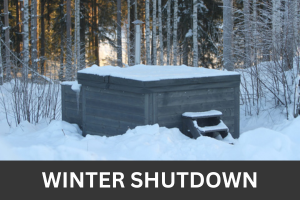
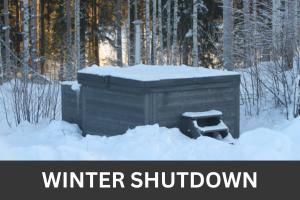
The short answer is yes, technically you can, but there are some important things to know before you leave your inflatable hot tub out all winter. Most inflatable hot tubs are rated to operate in ambient temperatures down to around 4°C, which covers the majority of what Liverpool, Cheshire, and the wider North West typically throws at you in December and January. However, that leaves very little wiggle room on the coldest nights, when temperatures can dip toward freezing. On those nights, you are right at the edge of what the unit is designed to handle.
The Real Cost of Winter Use
In practice, keeping your water at the ideal 38 to 40°C when the outside air is sitting at 2 or 3°C is a big ask for the heater in an inflatable hot tub. It will run almost continuously, and that means your running costs jump noticeably. Expect to pay somewhere in the region of £45 to £100 per month in winter, compared to around £25 to £60 in summer. Beyond the bill, that constant strain on the pump and heater wears the unit down faster, which can shorten its lifespan considerably.
Wind makes this even worse, and North West gardens are often pretty exposed to prevailing westerly winds. A good quality insulated cover combined with a windbreak, garden screen, or even a well-positioned fence can make a genuine difference to heat retention. These small steps reduce how hard the heater has to work and keep your running costs more manageable.
For genuinely worry-free year-round use, a hard-shell hot tub with proper foam insulation holds heat far more efficiently and is a much more practical long-term solution for the UK climate. You can explore that option in more detail with the team at Hot Tub Liverpool.
Storing Your Inflatable for Winter
Many inflatable hot tub owners across the North West take a completely sensible approach: they enjoy the tub from spring right through to autumn, then store it away for the coldest months. If that sounds like you, here is how to do it properly. Fully drain the tub and allow everything to dry completely before you pack it away. Clean and dry the pump unit carefully, as any moisture left inside can cause problems. Deflate the tub slowly and fold it without creating sharp creases, which can damage the material over time. Then store everything indoors, away from frost, ideally in a garage or shed. Following these winterising steps for inflatable hot tubs will help protect your investment and have it ready to go again come spring.
Keeping Your Inflatable Hot Tub Clean and Safe
Keeping your inflatable hot tub clean isn't complicated, but it does require consistency. A little attention a few times a week will keep the water safe, the equipment running properly, and your soaks genuinely enjoyable rather than something you dread getting into.
Water chemistry is the single most important thing to stay on top of. You'll want to test your pH and sanitiser levels two to three times per week using test strips or a digital tester. Aim to keep pH between 7.2 and 7.6; outside that range, chlorine or bromine becomes less effective, and the water can start to irritate skin and eyes. Chlorine typically works best at 3 to 5 ppm, and bromine sits in a similar range. Hot water around 38 to 40°C creates a very welcoming environment for bacteria, so don't let testing slip.
Your filter cartridge needs regular attention too. Give it a rinse under a hose every week to clear out debris and body oils. Every four to six weeks, depending on how often you're using the tub, replace it entirely. A clogged filter reduces water circulation, and when circulation drops, your chemicals can't do their job properly. The two systems are very much linked.
Plan a full drain and refill every four to eight weeks, or sooner if the water turns cloudy or foamy even when your chemical readings look correct. Cloudy water usually signals high total dissolved solids or contamination from lotions and sunscreen. While the tub is empty, wipe down the interior walls with a soft cloth and a diluted spa surface cleaner. Focus especially on the waterline where residue builds up fastest. Never use household bleach or abrasive products on inflatable PVC walls.
For day-to-day ease, a floating dispenser loaded with slow-release tablets takes a lot of the guesswork out of sanitiser levels between manual doses. It's a small addition that makes a noticeable difference.
If you're local to Liverpool or the surrounding areas, Hot Tub Liverpool stocks a full range of spa chemicals, test kits, and filter cartridges. You can grab everything you need in one visit rather than piecing together multiple online orders and waiting on deliveries.
Enjoyed Your Inflatable? Here Is When to Think About Upgrading
If you have reached the point where your inflatable hot tub is no longer an occasional weekend treat but a genuine part of your weekly routine, that shift in habit is actually the clearest sign that a hard-shell tub deserves serious consideration. Inflatables are brilliant for getting started, but their thin walls offer minimal insulation, meaning the heater works overtime in colder months to maintain temperature. With UK electricity prices sitting around 24p per kWh, those winter running costs add up faster than most people expect. When you are regularly using your tub and regularly wincing at the energy bills, the superior insulation of a permanent hard-shell starts to pay for itself over time.
There is also the question of the experience itself. Inflatables use air bubble systems rather than pressurised water jets, which is fine for a relaxing soak but falls short if you are looking for genuine hydrotherapy. Once hot tub time becomes part of your recovery and relaxation routine, the more powerful jets of a hard-shell feel less like a luxury and more like a practical upgrade. Add in a realistic lifespan of only 3 to 5 years for an inflatable versus 15 to 20 years for a well-maintained hard-shell, and the long-term economics shift considerably in favour of going permanent.
Families who started with a 4-person inflatable also tend to outgrow it surprisingly quickly. A 5 to 6 person hard-shell transforms the garden into a proper social space that works year-round, not just on the warmer evenings when the inflatable is at its best.
The good news is that the upgrade conversation does not need to feel daunting. Visiting a showroom lets you actually sit in different models, compare footprints against your available garden space, and get straightforward advice tailored to your situation. The team at Hot Tub Liverpool's showroom at Brunswick Business Park carries a curated range of hard-shell hot tubs and are genuinely happy to talk through the step up from an inflatable with absolutely no pressure.
Why Buying In Person Beats Scrolling Online
There is something online shopping simply cannot replicate when it comes to buying a hot tub, even an inflatable one. You can read a hundred product descriptions and still walk away unsure whether a "4-person" tub actually fits four adults comfortably, whether the cover creates a proper seal, or whether the walls feel solid and well-made once inflated. These are the kinds of things you figure out in about thirty seconds when you can actually put your hands on the product. Buying from a local dealer rather than online is one of the most consistently recommended pieces of advice in the hot tub community, and it applies just as much to inflatable models as it does to permanent hard-shell spas.
The e-commerce boom has made comparison shopping faster and easier, but it has also flooded the market with products that are poorly described or photographed in ways that hide their limitations. A tub that looks spacious in a staged garden photo might feel cramped in person. A cover that looks sturdy in a listing might turn out to be flimsy and ill-fitting. Seeing these differences side by side in a real setting protects your investment before you commit, not after the box arrives.
A good showroom visit also gives you access to expert guidance that no online listing can match. Real advice on chemical starter kits, compatible accessories, correct sizing for your household, and ongoing water-care routines from someone who actually knows the products is genuinely valuable, especially if this is your first hot tub.
The Hot Tub Liverpool showroom, located at the back of Brunswick Business Park and open Monday to Saturday, is exactly that kind of resource. Whether you are weighing up an inflatable as a first step or you are ready to look at a permanent hard-shell model, the team can walk you through your options without any pressure, so you leave confident in whatever you decide.
Ready to Take the Plunge?
An inflatable hot tub is genuinely one of the smartest ways to dip your toes into the hot tub lifestyle, especially if you're based across Liverpool, Wirral, Cheshire, or North Wales. They're affordable, quick to get going, and for casual or seasonal use they deliver real value without a big commitment.
That said, going in with realistic expectations makes all the difference. Plan for higher running costs during the colder months, invest in a proper thermal cover from the start, and take water chemistry seriously. A little consistency with your pH and sanitiser levels each week goes a long way towards getting the best lifespan from your tub. As one experienced inflatable owner put it, inflatables are a great way to learn the ropes before moving up.
When the inflatable starts feeling like a limitation rather than a luxury, that's the natural moment to consider a hard-shell upgrade. Heavy, regular use is the clearest sign you're ready for something more permanent.
Whatever stage you're at, the team at Hot Tub Liverpool, based at Brunswick Business Park, are ready to help with honest, no-pressure advice. Whether you need chemicals, covers, or want to explore the full range of options, they'll help you find the right fit for your garden, your family, and your budget.
Conclusion
Inflatable hot tubs offer an affordable, low-commitment way to bring the spa experience right to your backyard. As you've seen throughout this guide, the key is knowing what to prioritize: temperature performance, build quality, ease of setup, and long-term operating costs. Not every model is created equal, but the right one absolutely exists for your budget and lifestyle.
Before you buy, take a moment to revisit your must-haves, measure your available space, and factor in ongoing energy expenses. A little preparation now saves a lot of regret later.
Ready to take the plunge? Use the comparisons and tips in this guide as your starting point, then browse our top-rated picks to find your perfect match. Your backyard retreat is closer than you think, and it all starts with one confident decision.
Leave a comment
Subscribe
Sign up to get the latest on sales, new releases and more …